// We design, build, and deploy unmanned aerial systems for industrial inspection, mapping, defense logistics, and atmospheric research. From sub-250g micro-platforms to long-endurance fixed-wing surveyors, every airframe leaves the shop tuned, flown, and certified. We are actively developing next-generation UAV technology to meet 2030 and beyond mission requirements.
// Multi-rotor airframes engineered for redundancy, payload capacity, and harsh-environment operations. The workhorse class of the NXY fleet.
The NXY-H series is our hexarotor line — six coaxial or planar configurations engineered around motor-out survivability. Lose a motor mid-flight and the remaining five keep you airborne; lose two on the same arm and the controller still brings the aircraft home. That redundancy is why hexarotors are our default platform for over-water, over-people, and over-asset operations.
Every airframe ships with vibration-isolated avionics, redundant compasses, and a flight controller running NXY-OS for sub-2 ms control loops. Arms are field-serviceable in under 90 seconds — two captive bolts, no tools required.
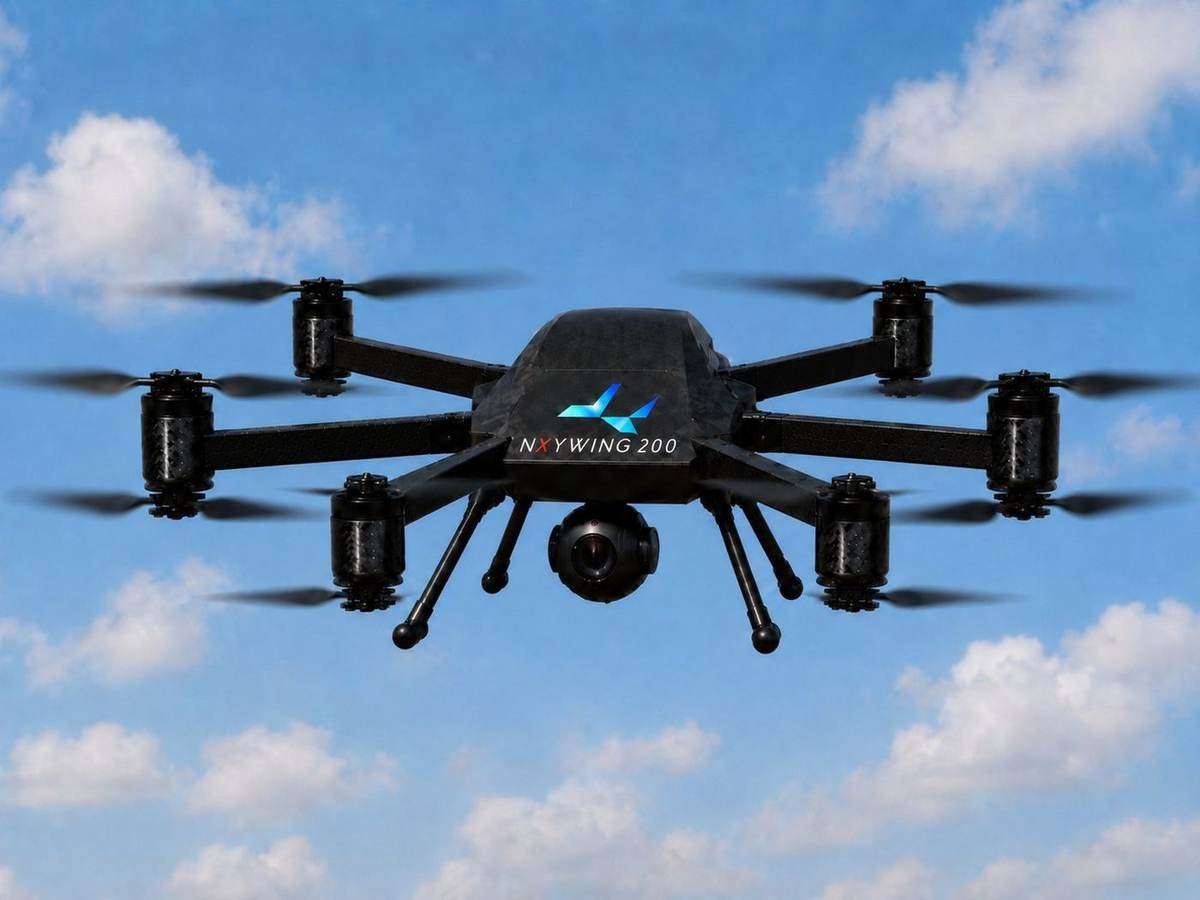
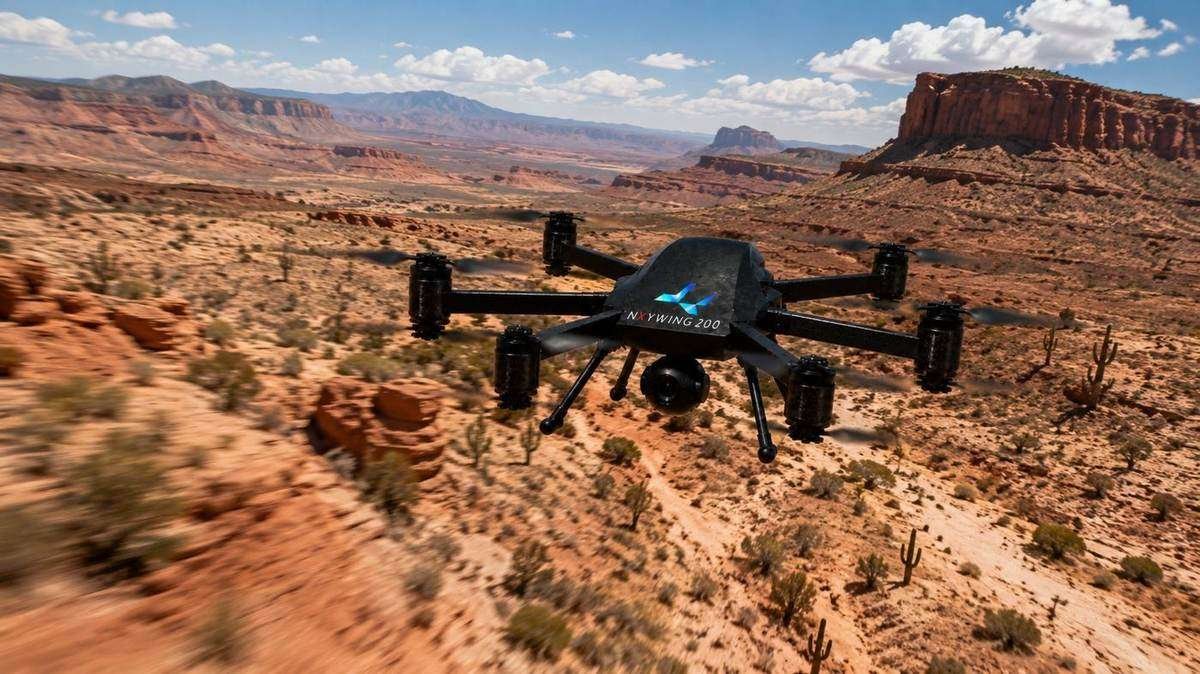
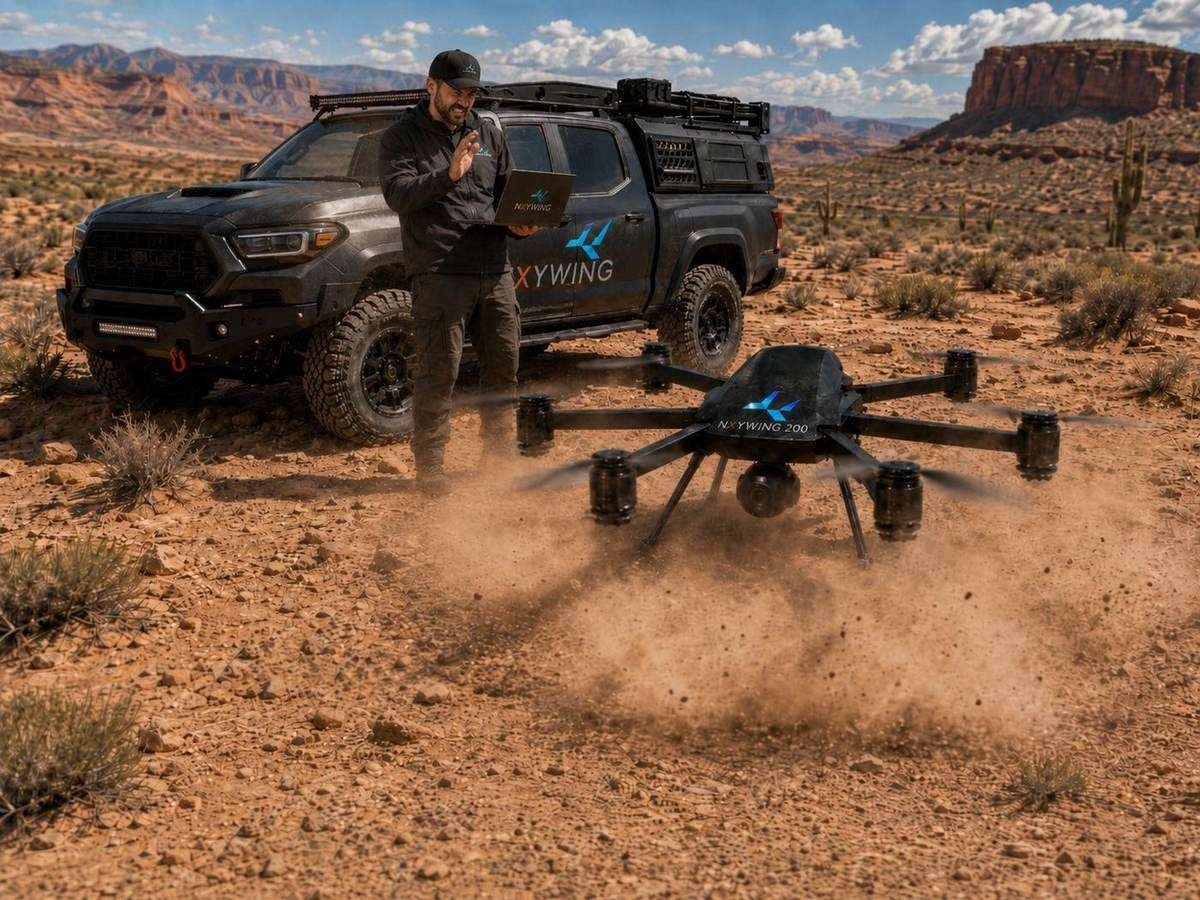
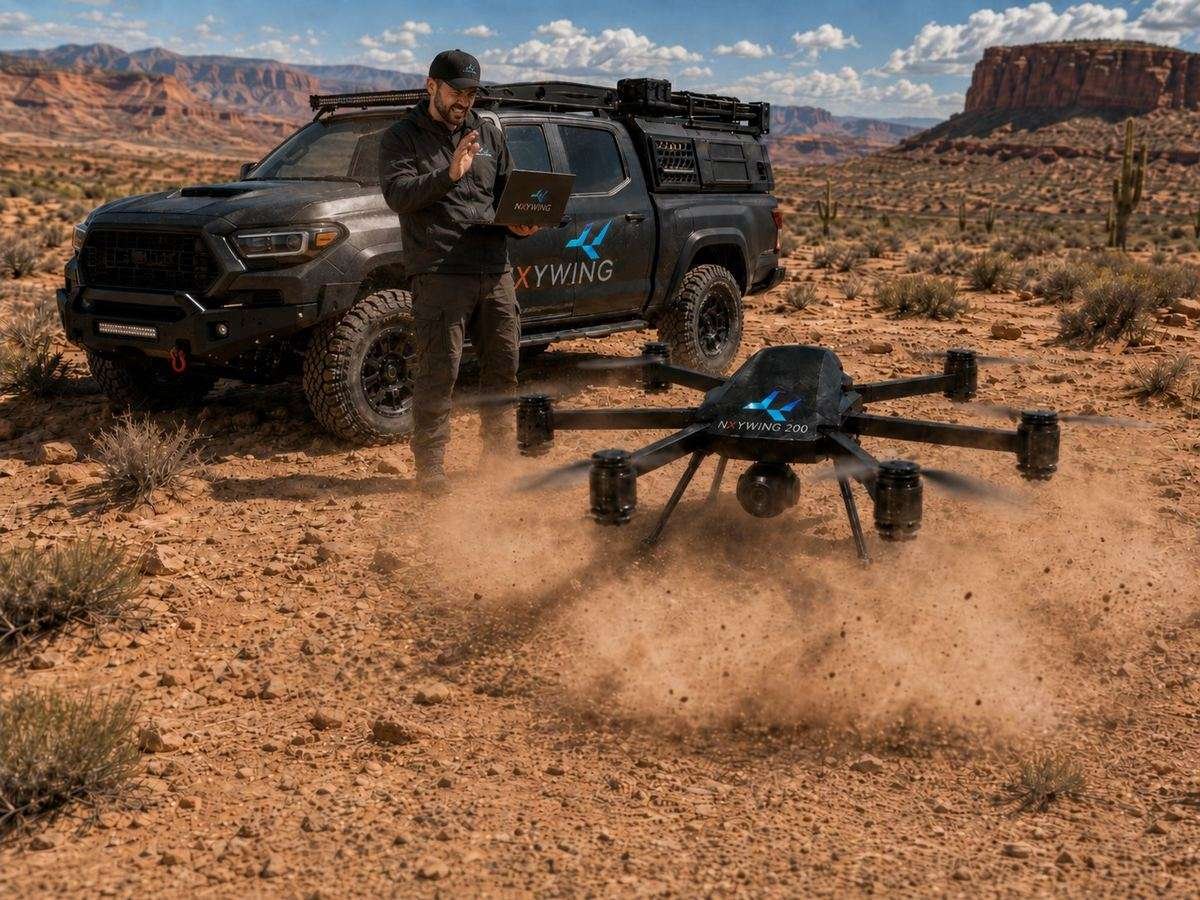
The NXYWING 200 is our flagship hexarotor — a carbon-weave airframe with six dual-stack motor pods, fixed landing gear, and a stabilized gimbal mount engineered for survey-grade payloads. The 200 was designed from the rotor inward for harsh-environment operations: dust ingress, high-temperature desert operations, sustained 35-kt crosswinds.
Field-proven across the American Southwest, the design uses the full NXY-OS stack, NXY-Link mesh telemetry, and a ruggedized field-deployment kit. Standard configuration includes a 4K-stabilized EO/IR gimbal, RTK GNSS, and parachute auto-deploy. It can be operated from the back of a pickup, from a central command post, or by a single user in the field.
The structural smart material has detection and safety features embedded to combat laser and signal interference. The design incorporates aerospace FMEA for both electrical and structural components. Extensive quality circles are implemented to ensure durability, reliability, mission availability, and components with guaranteed service life.
Design subsection for the NXYWING 200 hexarotor platform: modular carbon structure, field-serviceable arms, protected avionics bay, payload interface, landing gear, wiring architecture, and maintainability layout.
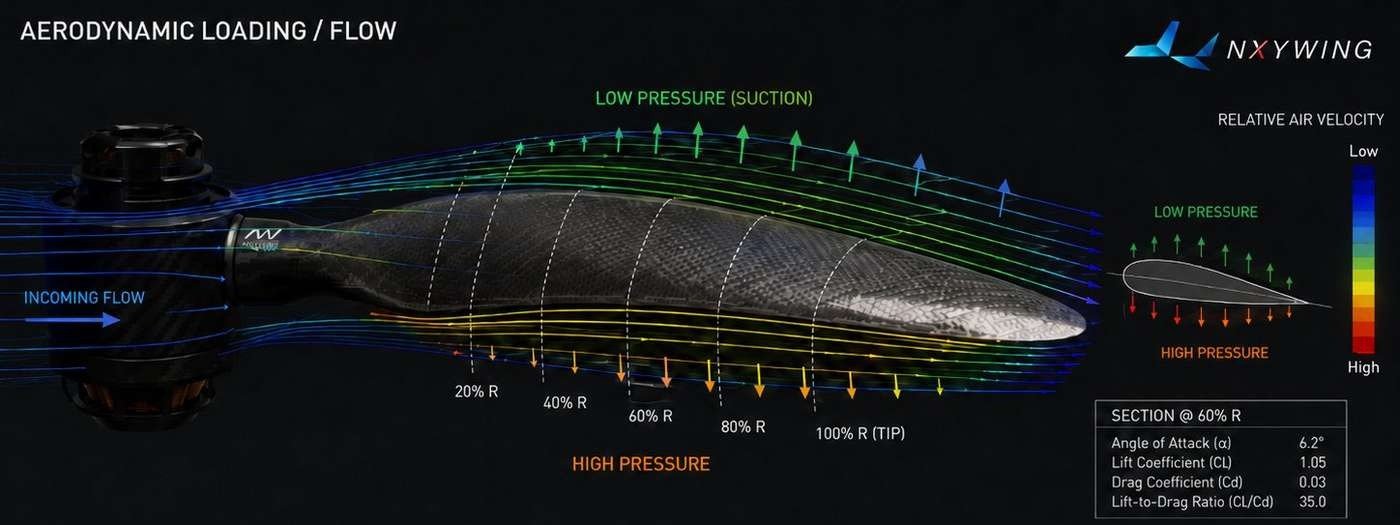
Aerodynamics subsection for rotor spacing, propeller-wash clearance, drag reduction, downwash management, payload airflow, hover stability, climb performance, crosswind behavior, and endurance tuning.
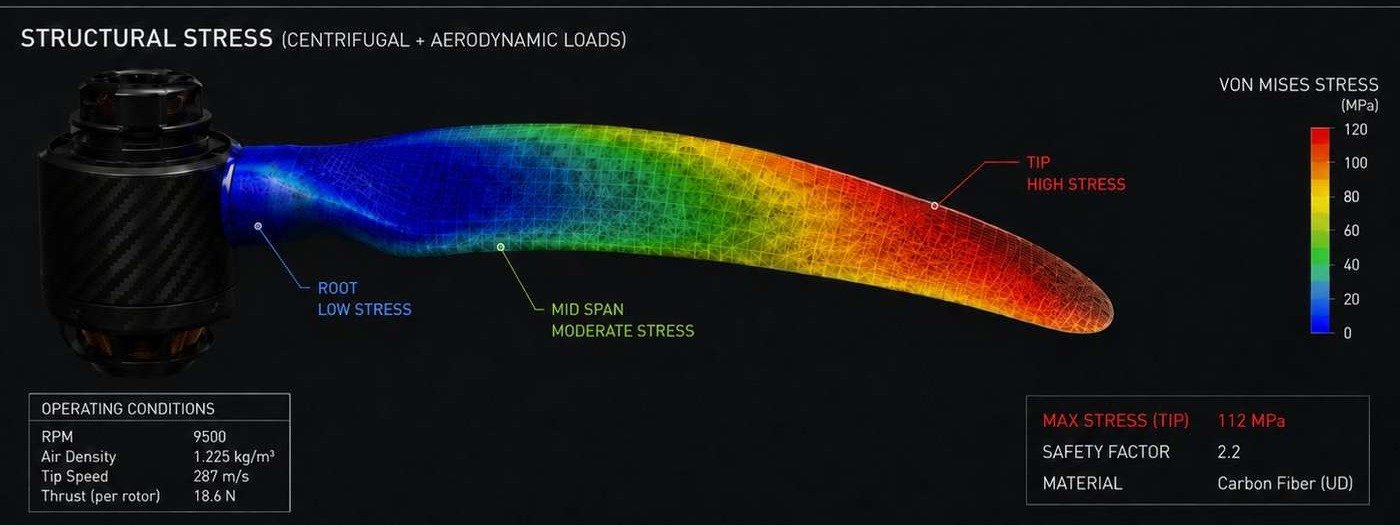
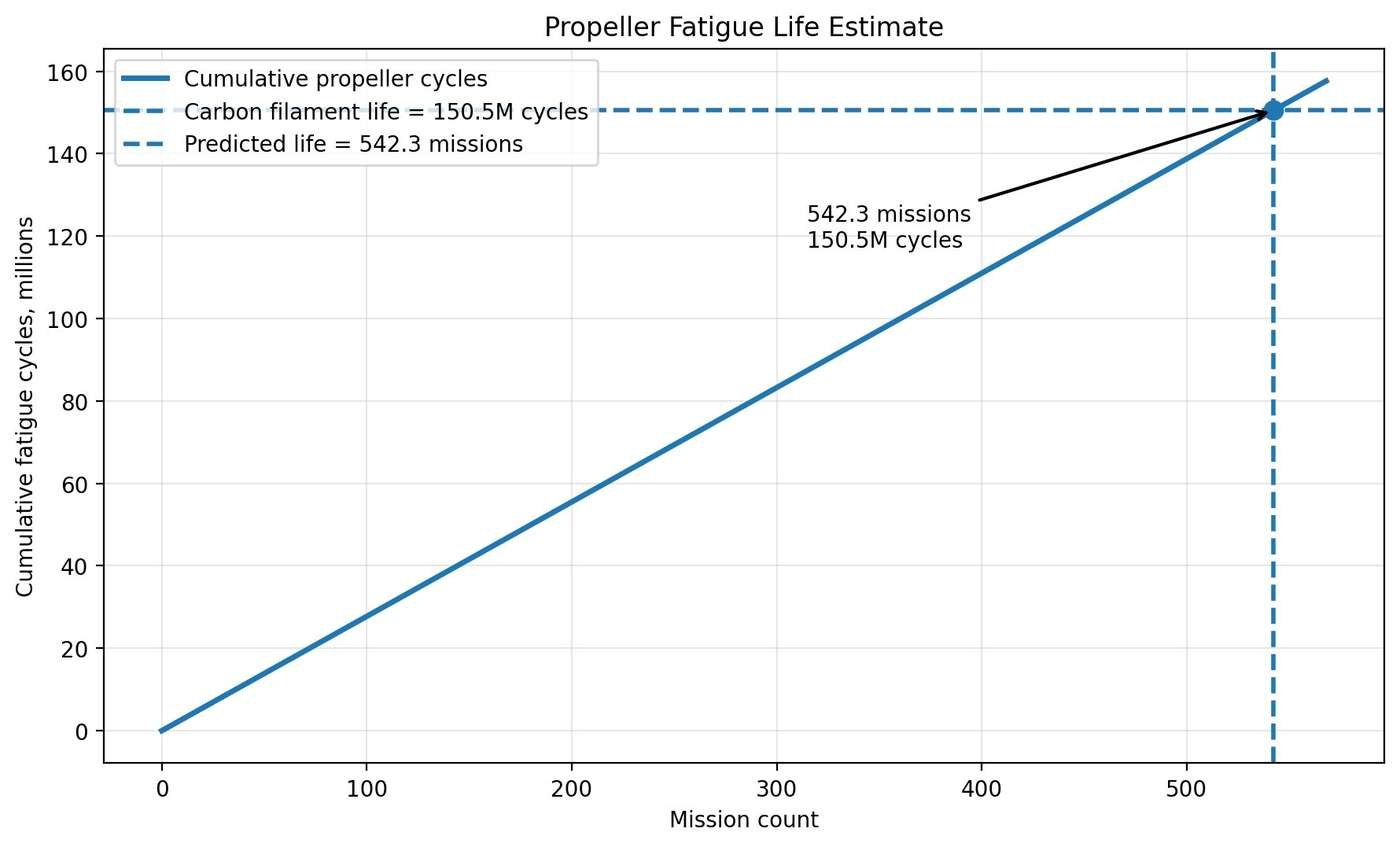
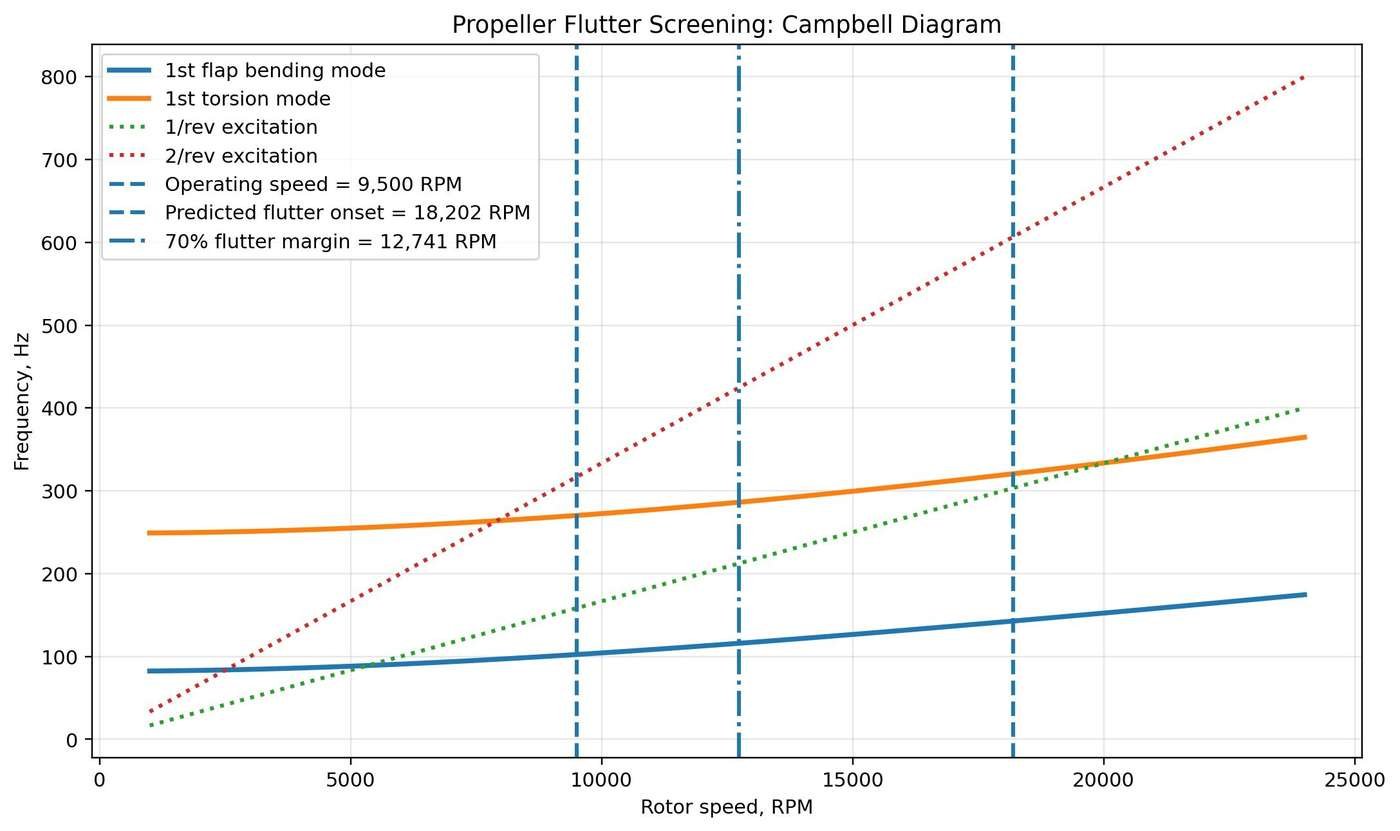
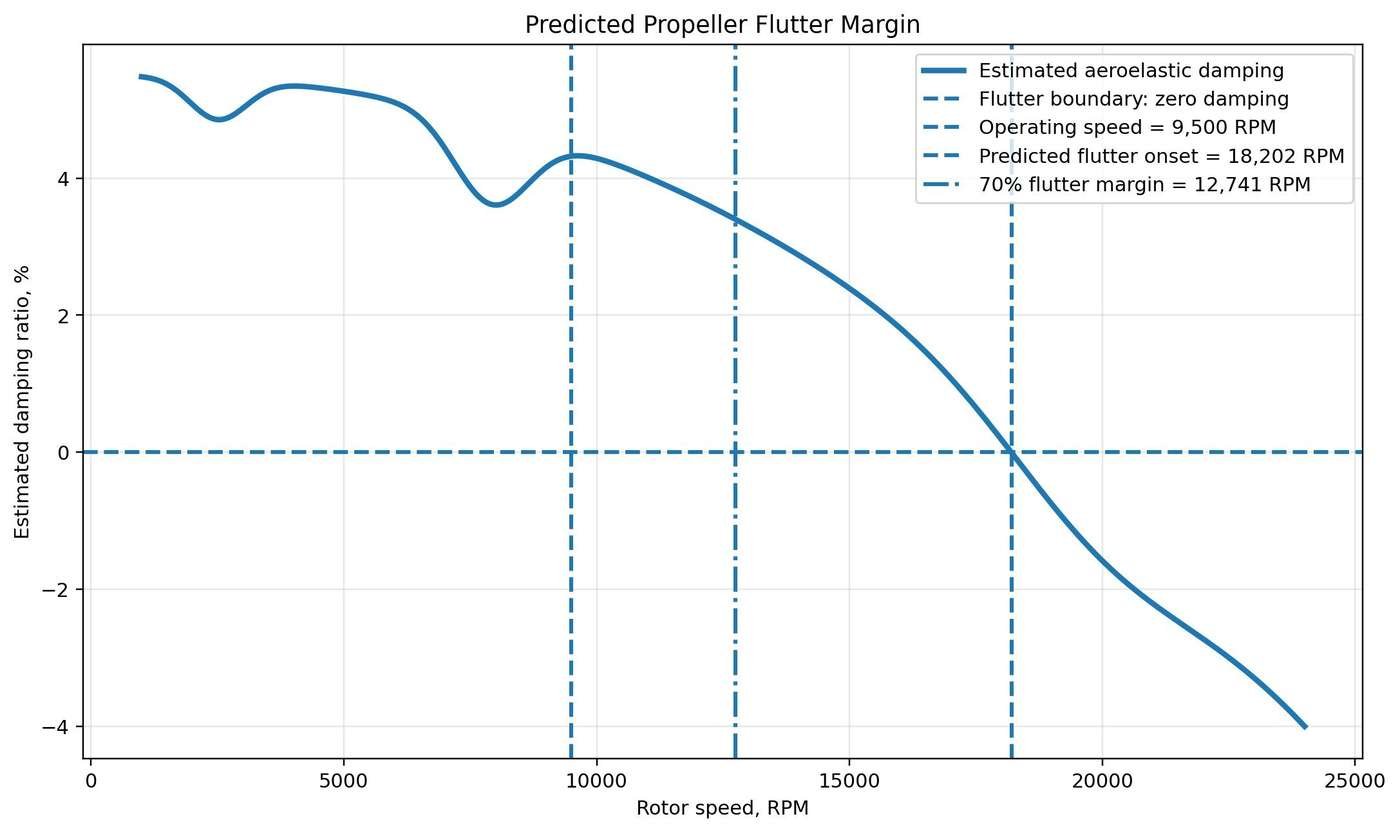
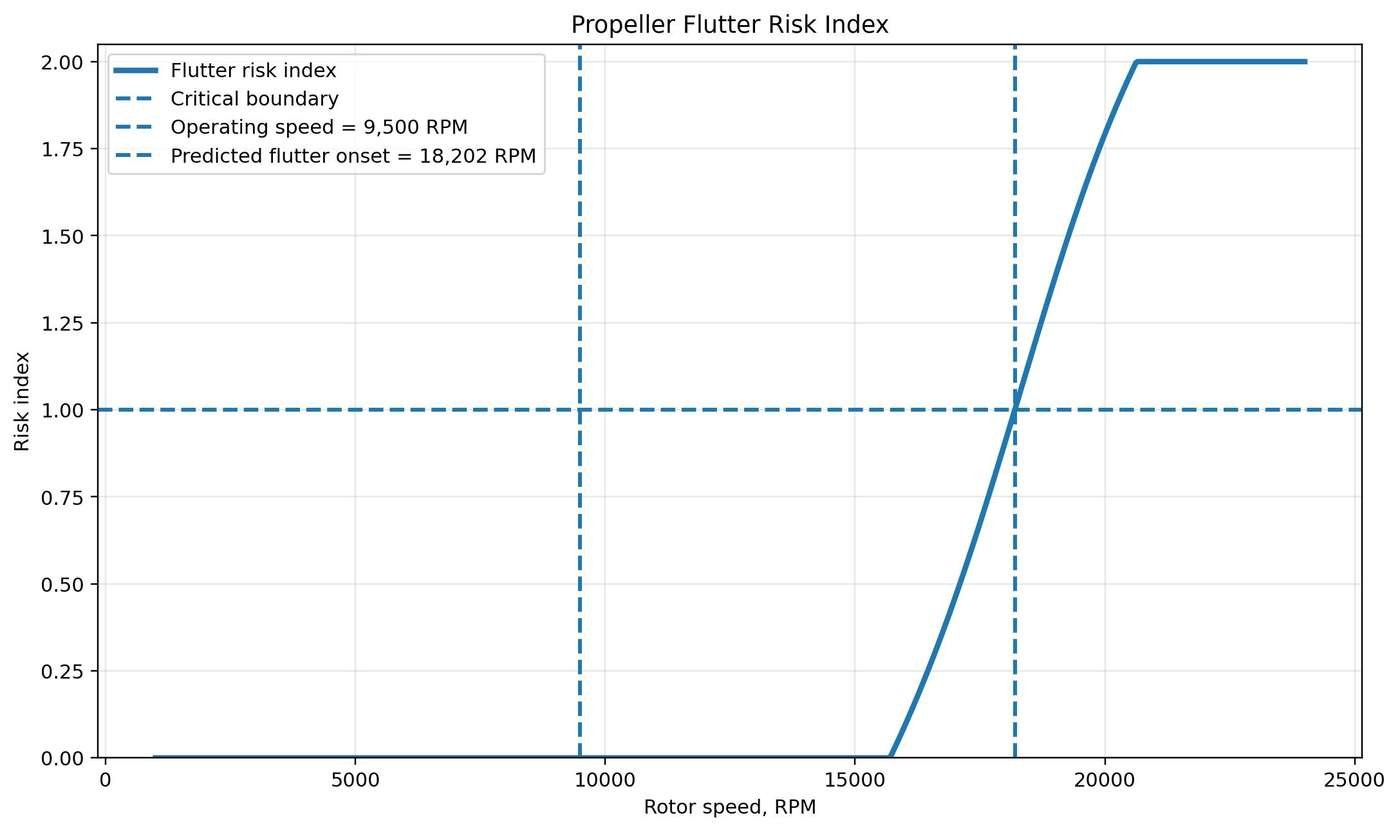
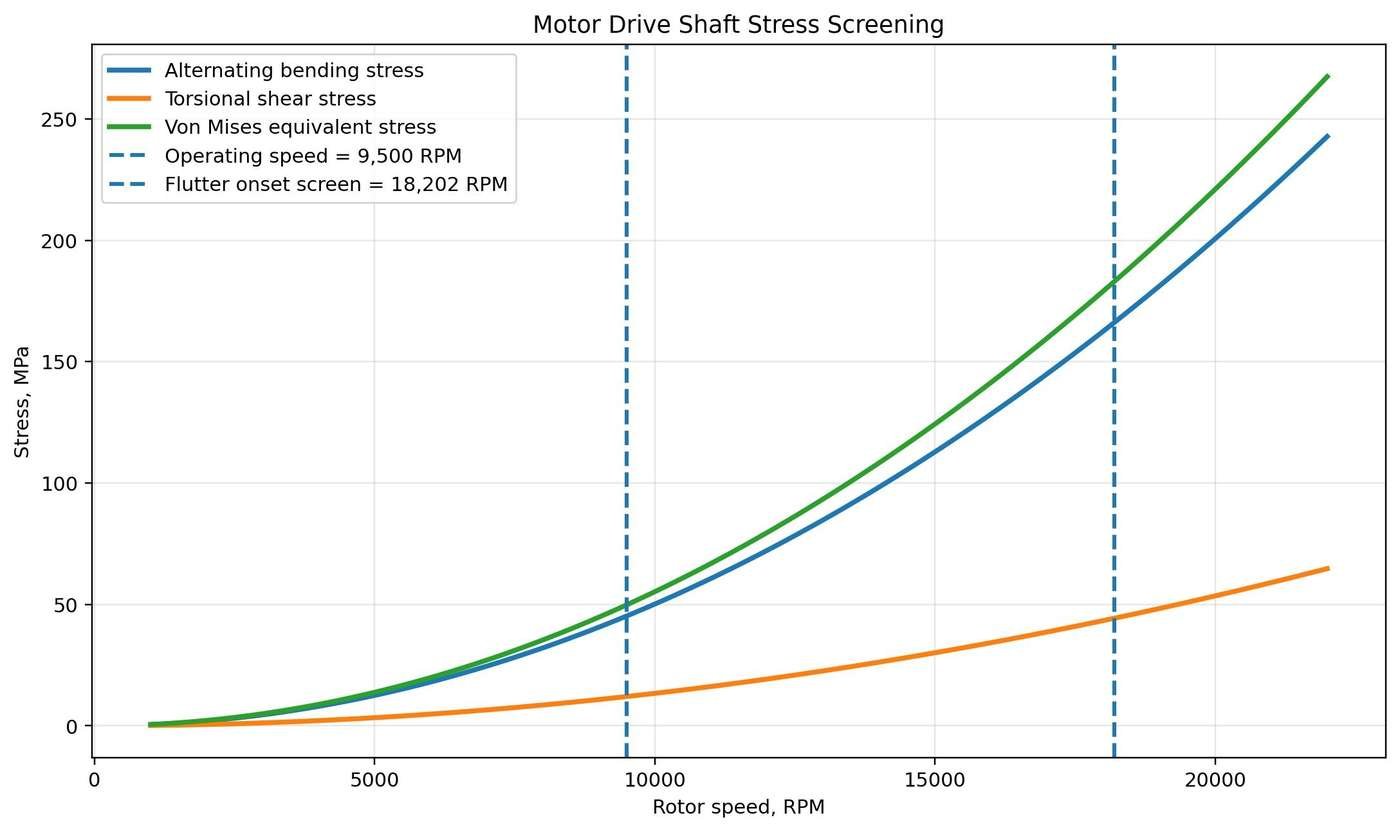
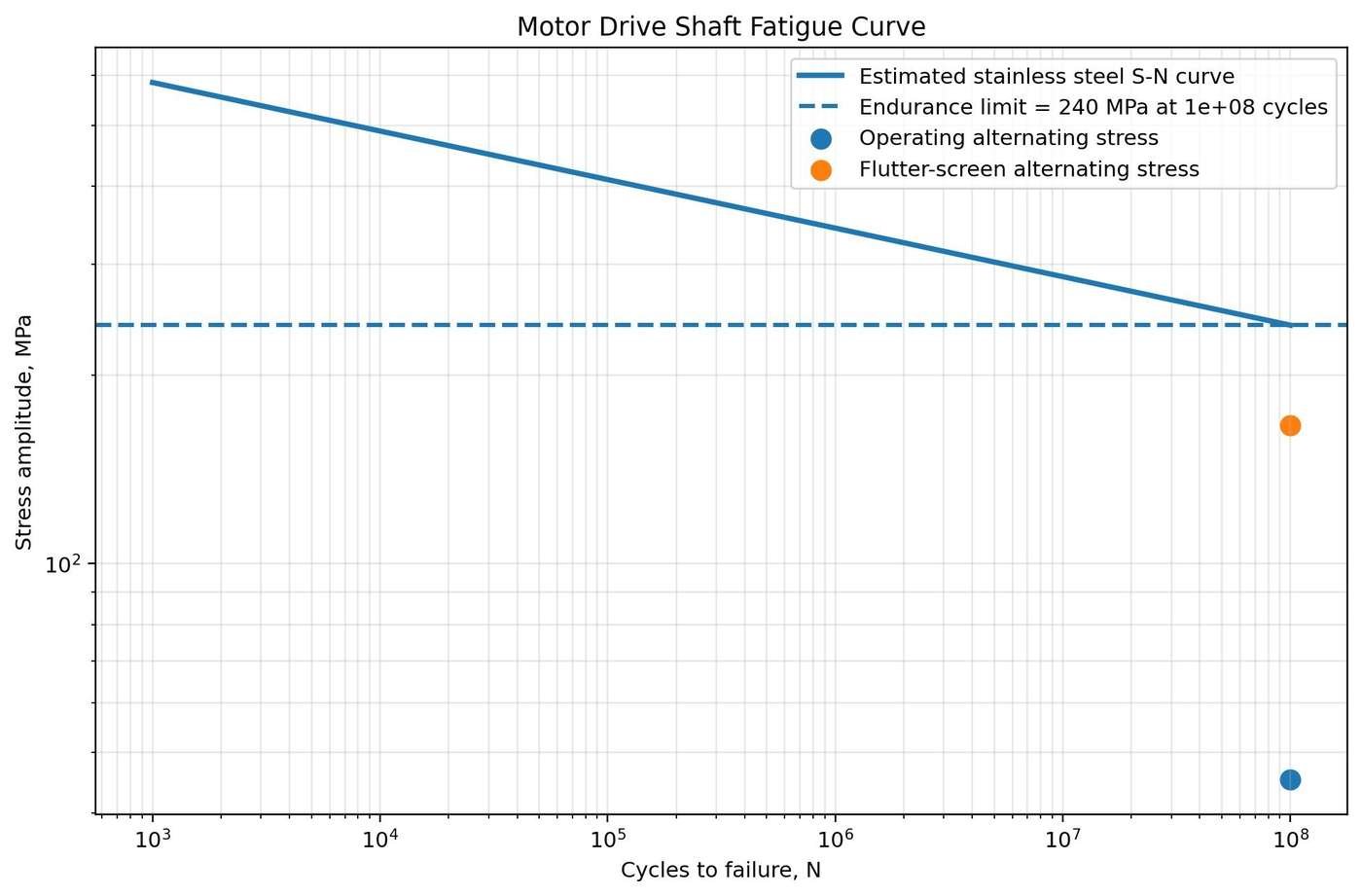
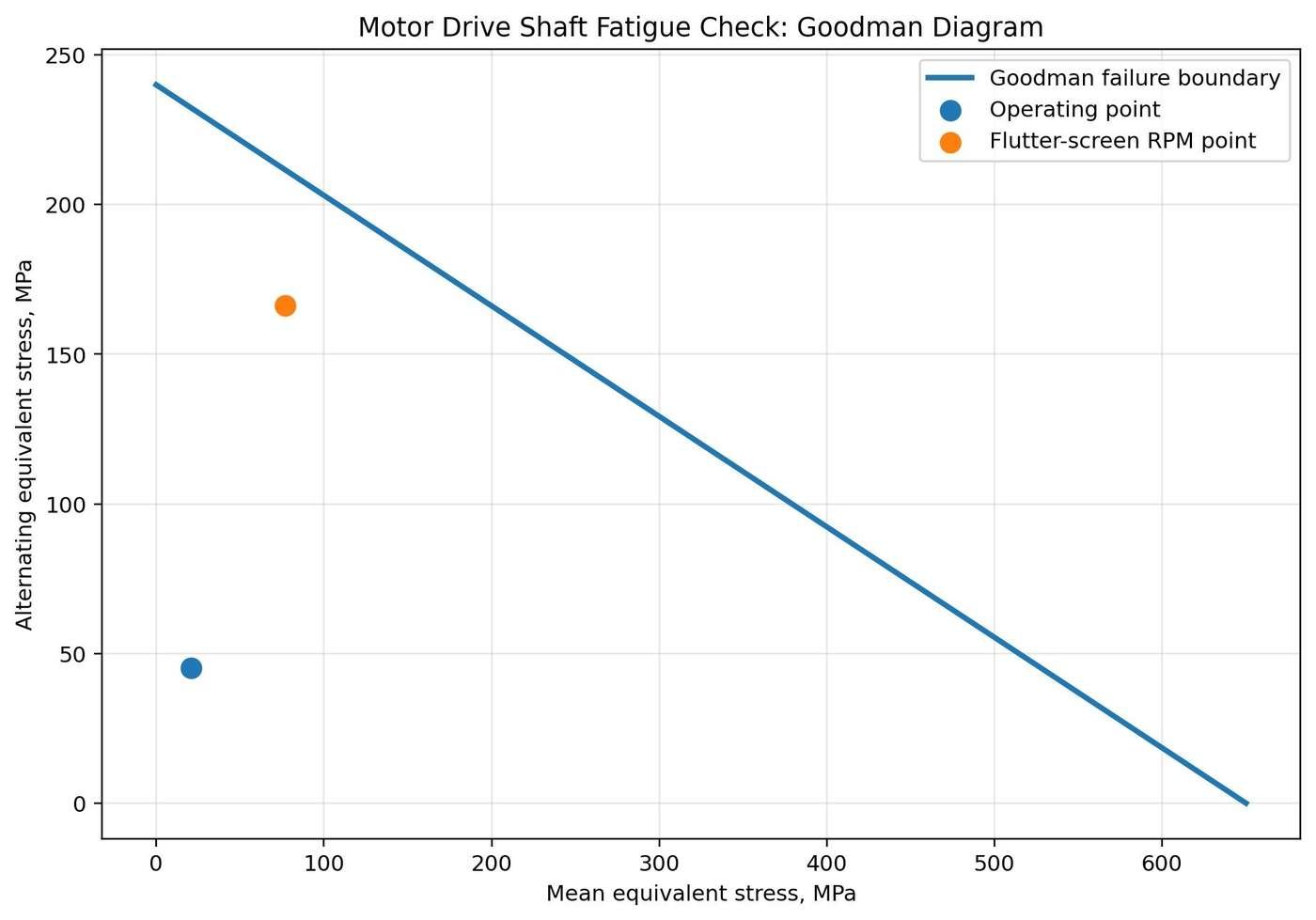
Stress analysis subsection for structural load paths, arm-root loads, motor mount loads, landing load cases, payload mount loading, vibration isolation, fatigue review, and acceptance margin documentation.
Deployment subsection for transport kit, field assembly, site setup, pre-flight inspection, mission commissioning, crew handover, spares pack, ground support equipment, and operational readiness checks.
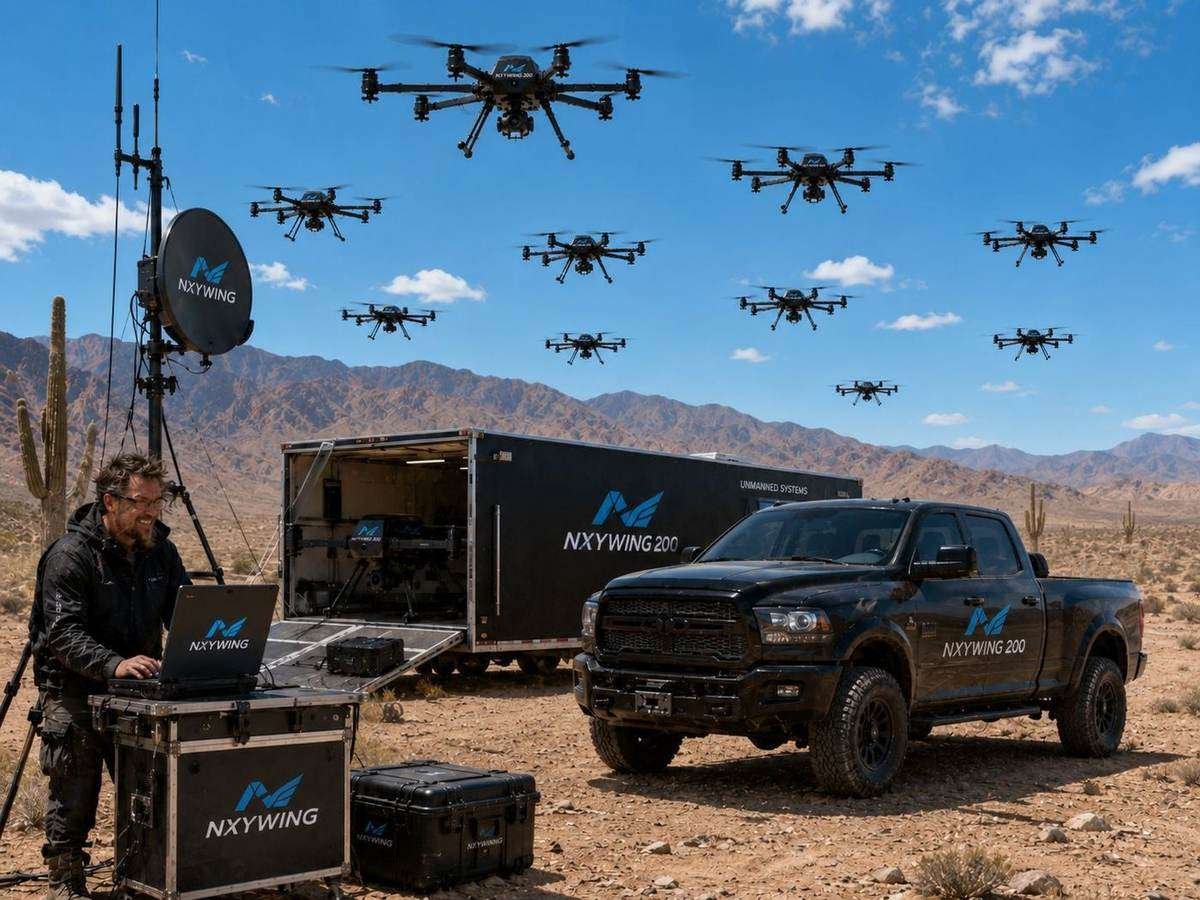
Detailed stress analysis is performed on all components to ensure in-service durability. Aerodynamic loading analysis is supported by flight-test strain monitoring and FEA to validate life guarantees. Smart mission motor optimization uses motor-power swaps during stationary missions. Fault diagnosis and live feedback ensure mission safety and get-home confidence.
Inspection-free blade life is limited to 500 missions (life carries a scatter factor of 4); thereafter, blades are replaced, and used blades are serviced as necessary. Blade technology is being improved to provide infinite-life parts.
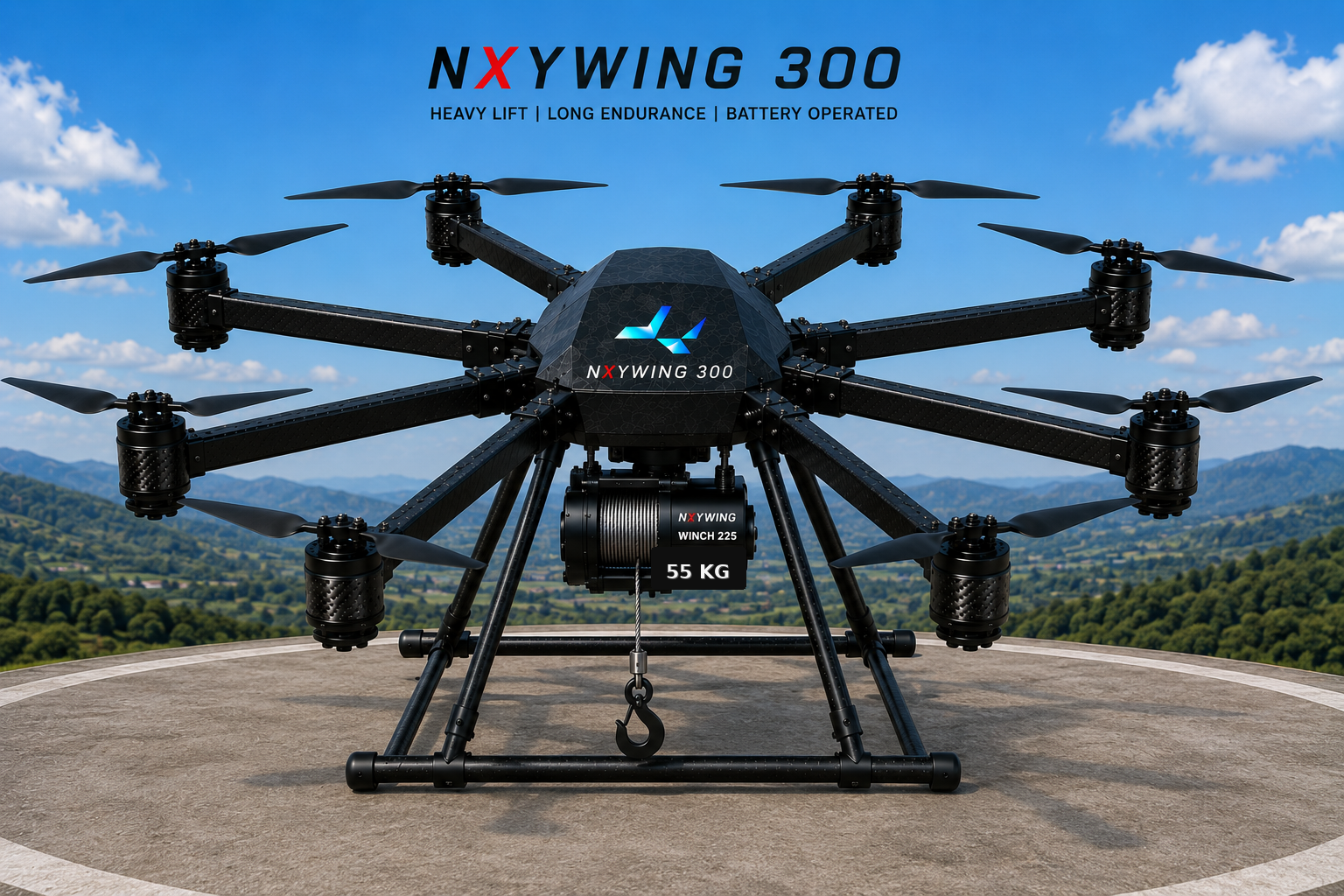
The NXYWING 300 is our flagship octorotor — a carbon-weave airframe with eight motor pods, fixed landing gear, and a stabilized gimbal mount engineered for survey-grade payloads. The 300 was designed from the rotor inward for harsh-environment operations: dust ingress, high-temperature desert operations, sustained 35-kt crosswinds.
Field-proven across the American Southwest, the design uses the full NXY-OS stack, NXY-Link mesh telemetry, and a ruggedized field-deployment kit. Standard configuration includes a 4K-stabilized EO/IR gimbal, RTK GNSS, and parachute auto-deploy. It can be operated from the back of a pickup, from a central command post, or by a single user in the field.
The structural smart material has detection and safety features embedded to combat laser and signal interference. The design incorporates aerospace FMEA for both electrical and structural components. Extensive quality circles are implemented to ensure durability, reliability, mission availability, and components with guaranteed service life.
Design subsection for the NXYWING 300 octorotor platform: modular carbon structure, field-serviceable arms, protected avionics bay, payload interface, landing gear, wiring architecture, and maintainability layout.
Aerodynamics subsection for rotor spacing, propeller-wash clearance, drag reduction, downwash management, payload airflow, hover stability, climb performance, crosswind behavior, and endurance tuning.
Stress analysis subsection for structural load paths, arm-root loads, motor mount loads, landing load cases, payload mount loading, vibration isolation, fatigue review, and acceptance margin documentation.
Deployment subsection for transport kit, field assembly, site setup, pre-flight inspection, mission commissioning, crew handover, spares pack, ground support equipment, and operational readiness checks.
Detailed stress analysis is performed on all components to ensure in-service durability. Aerodynamic loading analysis is supported by flight-test strain monitoring and FEA to validate life guarantees. Smart mission motor optimization uses motor-power swaps during stationary missions. Fault diagnosis and live feedback ensure mission safety and get-home confidence.
Inspection-free blade life is limited to 500 missions (life carries a scatter factor of 4); thereafter, blades are replaced, and used blades are serviced as necessary. Blade technology is being improved to provide infinite-life parts.
// Concept-stage crewed platforms exploring electric vertical lift and ground-effect travel. Design studies, not production aircraft.
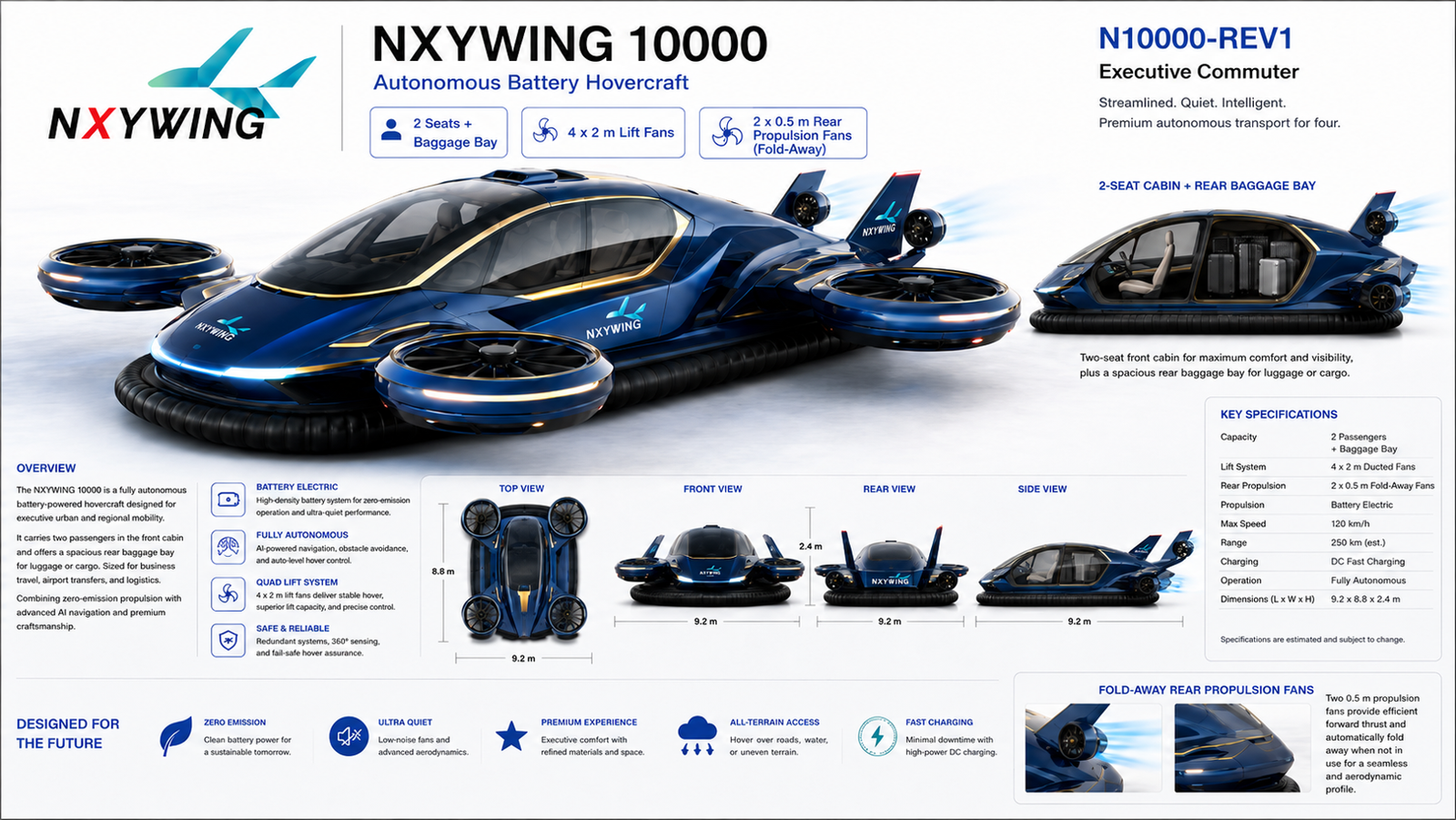
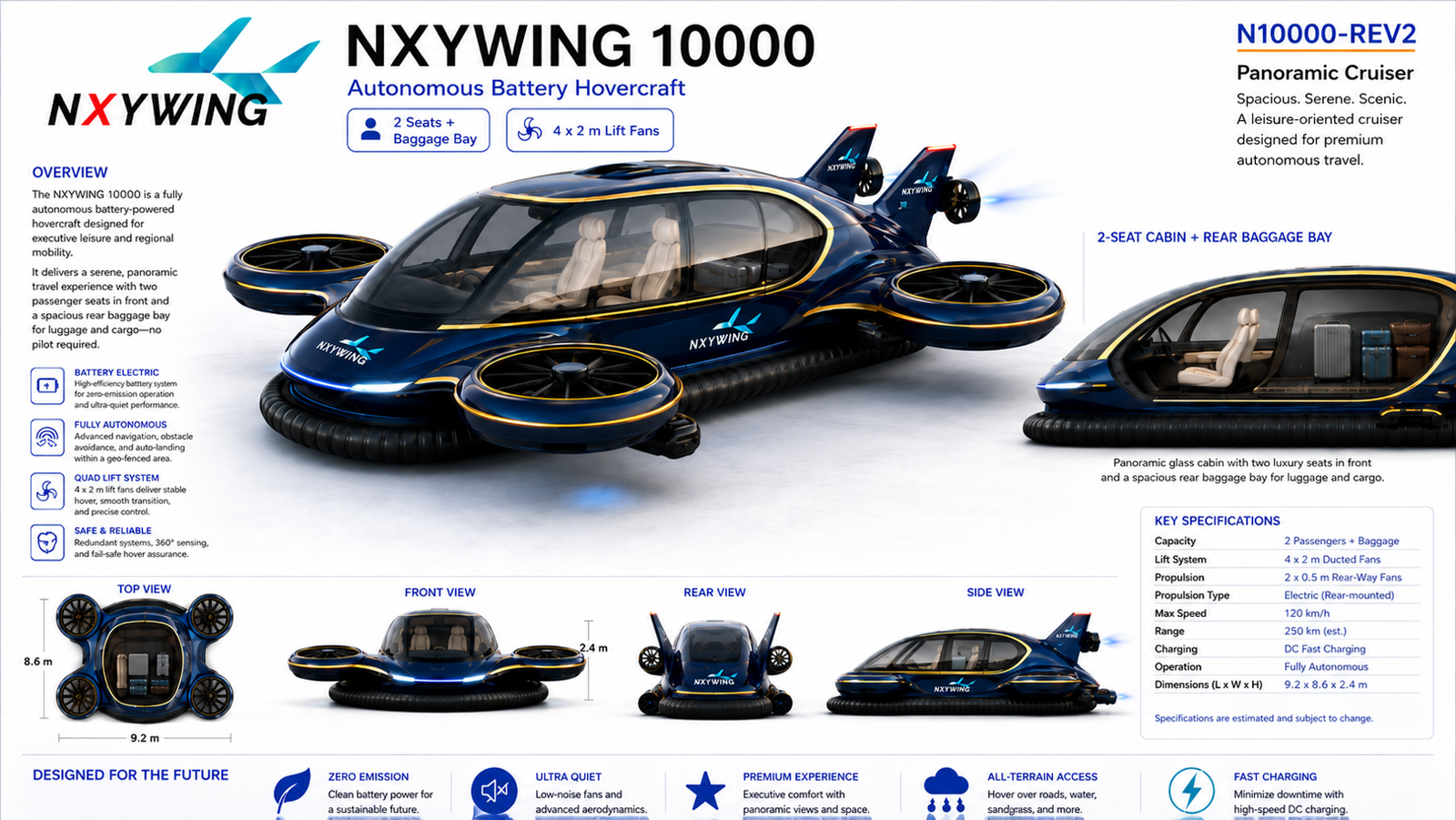
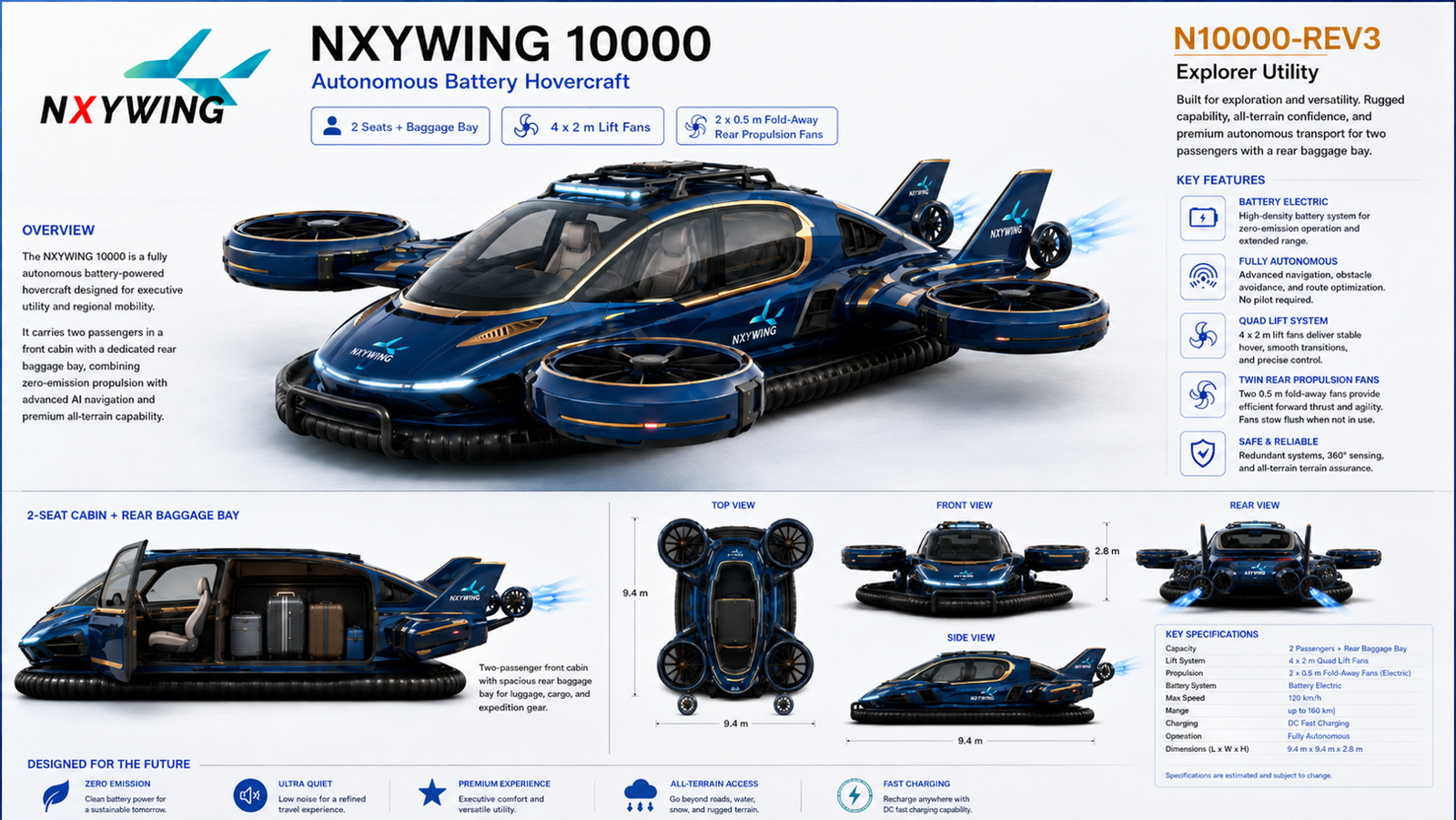
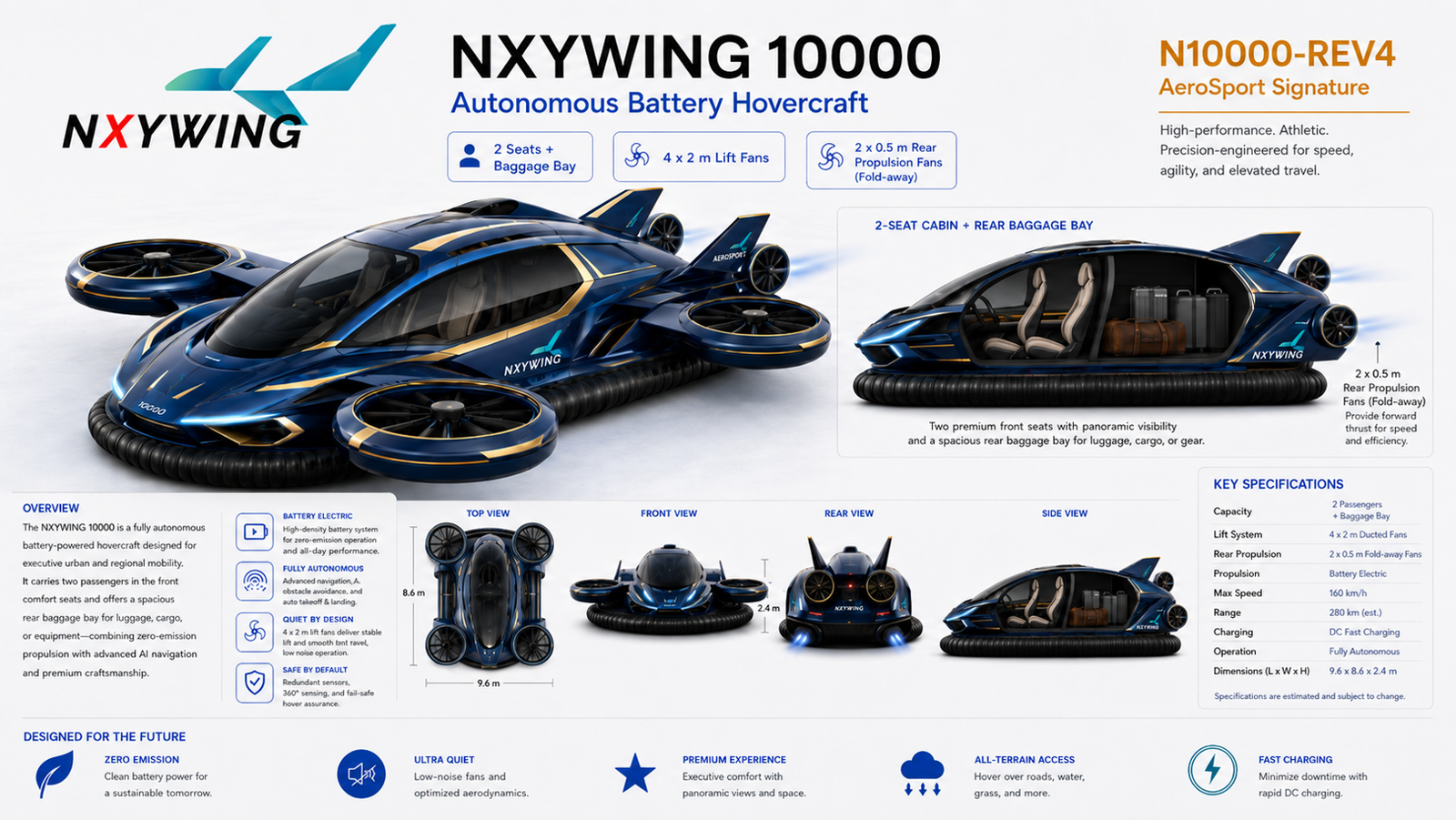
The NXYWING 10K is a concept battery-hovercraft platform being explored as a crewed executive and utility vehicle. It is presented here as a design study across four revision families — not a certified or production aircraft.
The NXYWING 10K subsection contains four selectable revision tabs. Each tab holds its corresponding N10K concept slide: Executive Commuter, Panoramic Cruiser, Explorer Utility, and AeroSport Signature.
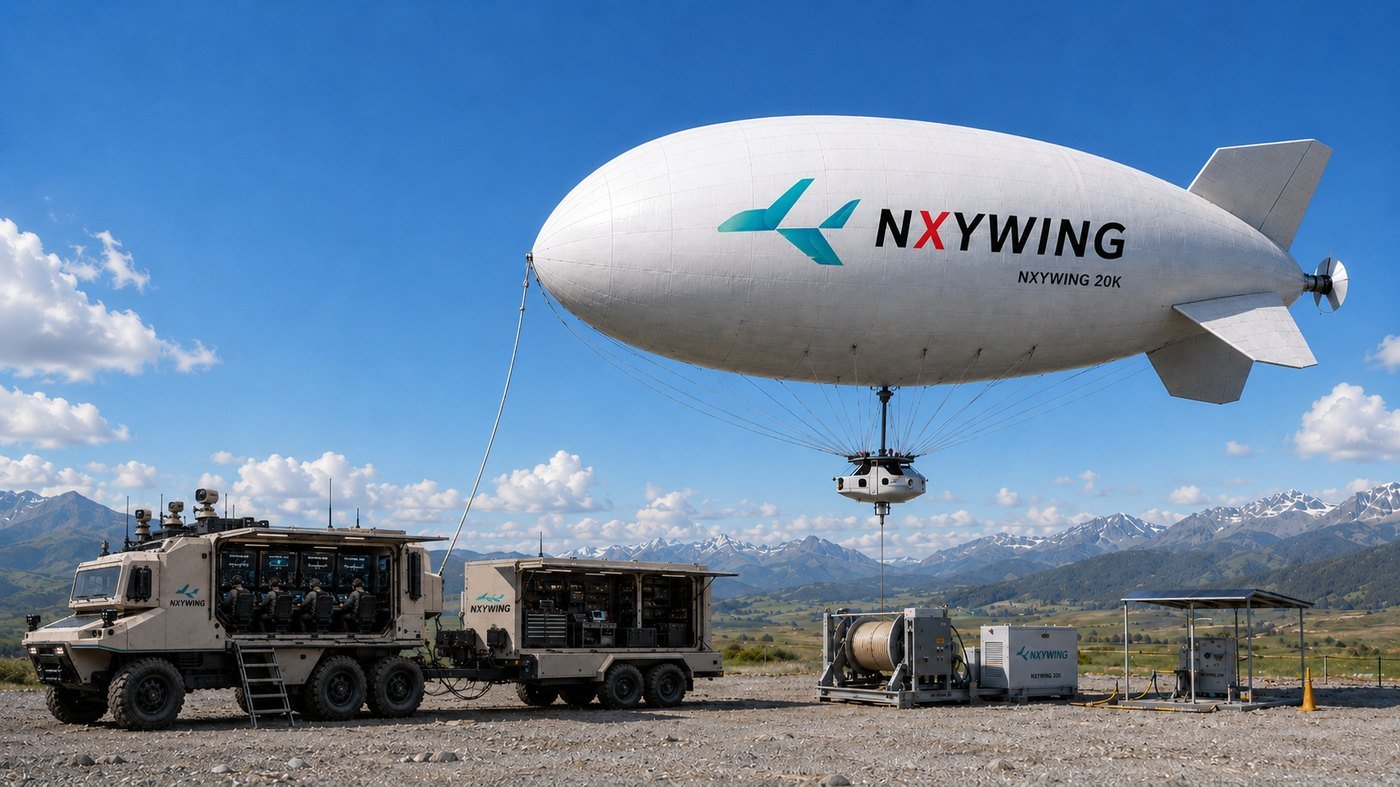
// Tethered aerostat systems for persistent surveillance and inspection. The NXYWING 20K — a 2,500 m³ helium platform lifting a 500 kg payload for continuous station-keeping at altitude.
NXYWING 20K — Tethered Aerostat System. A 2,500 m³ design-basis envelope (34.5 m × 13.0 m, L/D ≈ 2.65) delivering 500 kg of useful payload with a 300–1,500 m AGL operating band. Continuous tethered operation, subject to weather and helium management. Values below are preliminary design / ROM costing — not a certified design or procurement quote.
// Long-endurance fixed-wing platforms for mapping, atmospheric research, and beyond-visual-line-of-sight (BVLOS) missions.
The NXY-F series spans six fixed-wing platforms, from short-range mapping aircraft to heavy-lift logistics. Each model shares the same composite-airframe architecture, NXY-OS flight stack, and NXY-Link mesh telemetry — the variables are wingspan, payload, and mission radius.
F-class avionics include dual-redundant flight controllers, ADS-B In/Out, and our NXY-Link mesh radio providing extended beyond-visual-line-of-sight command and control through multi-aircraft relay. Select a model below for full specifications.
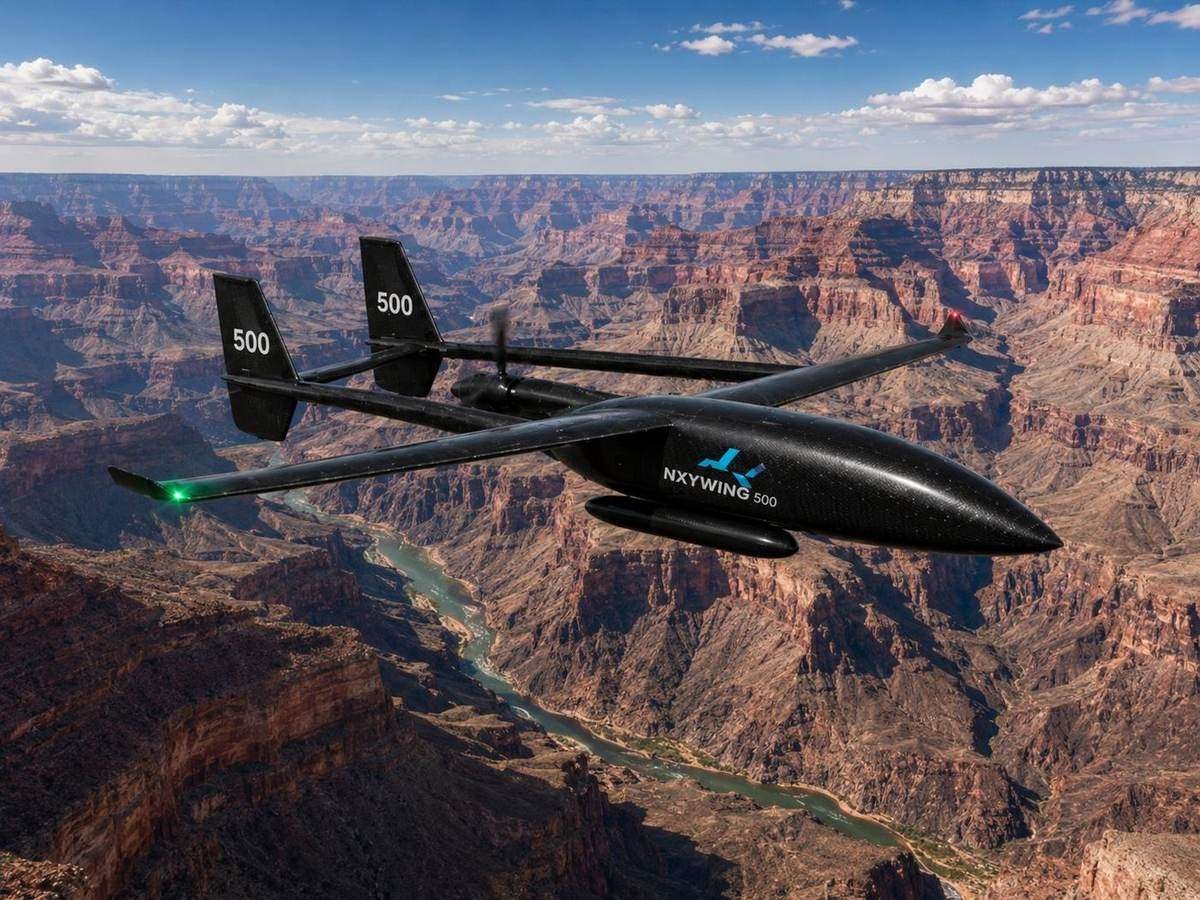
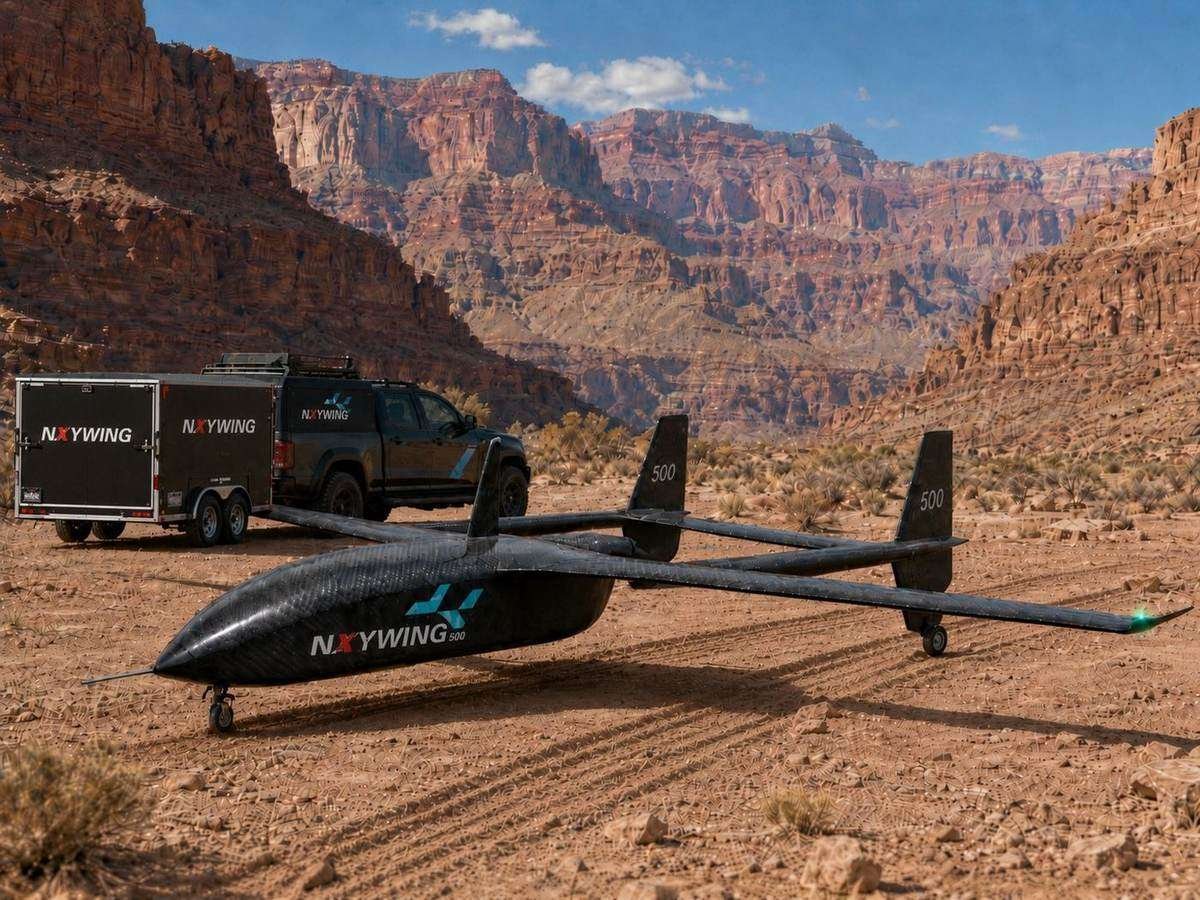
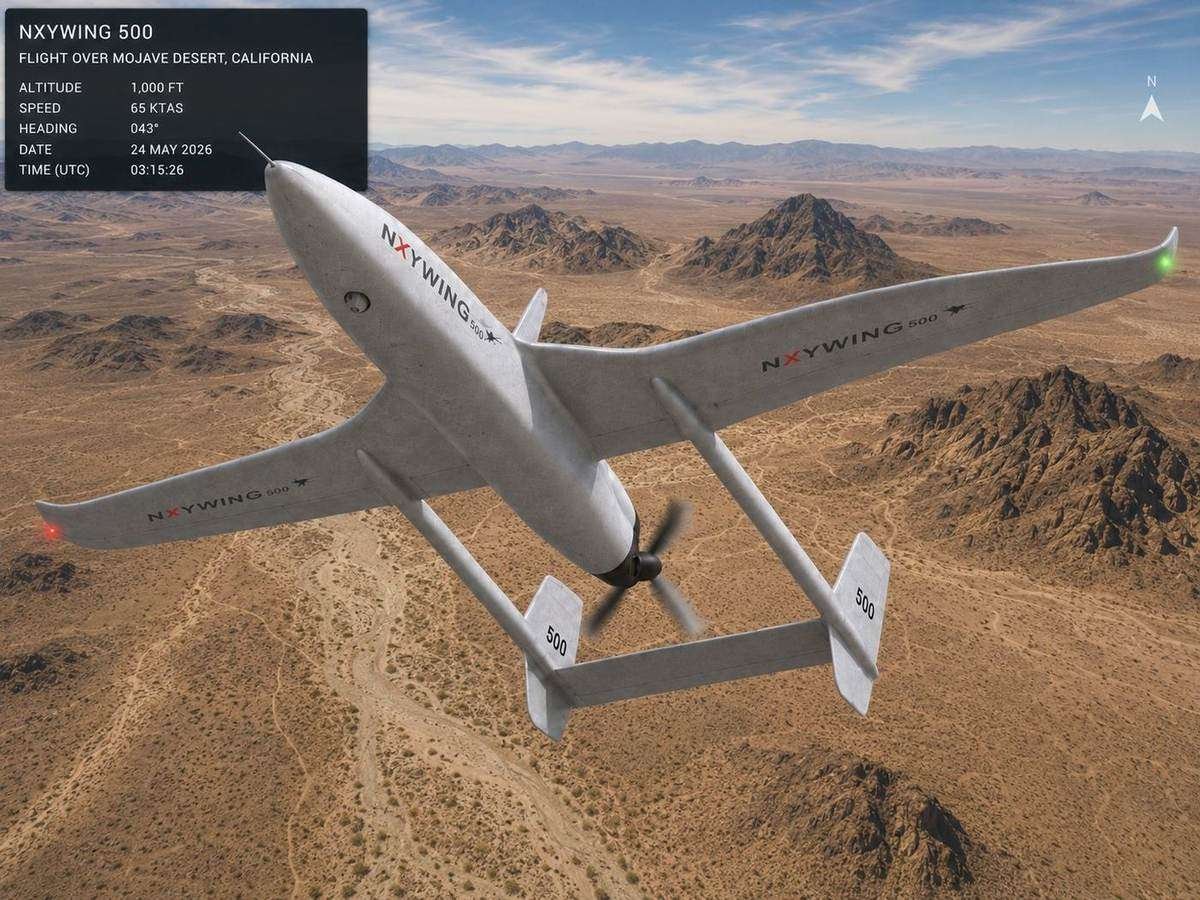
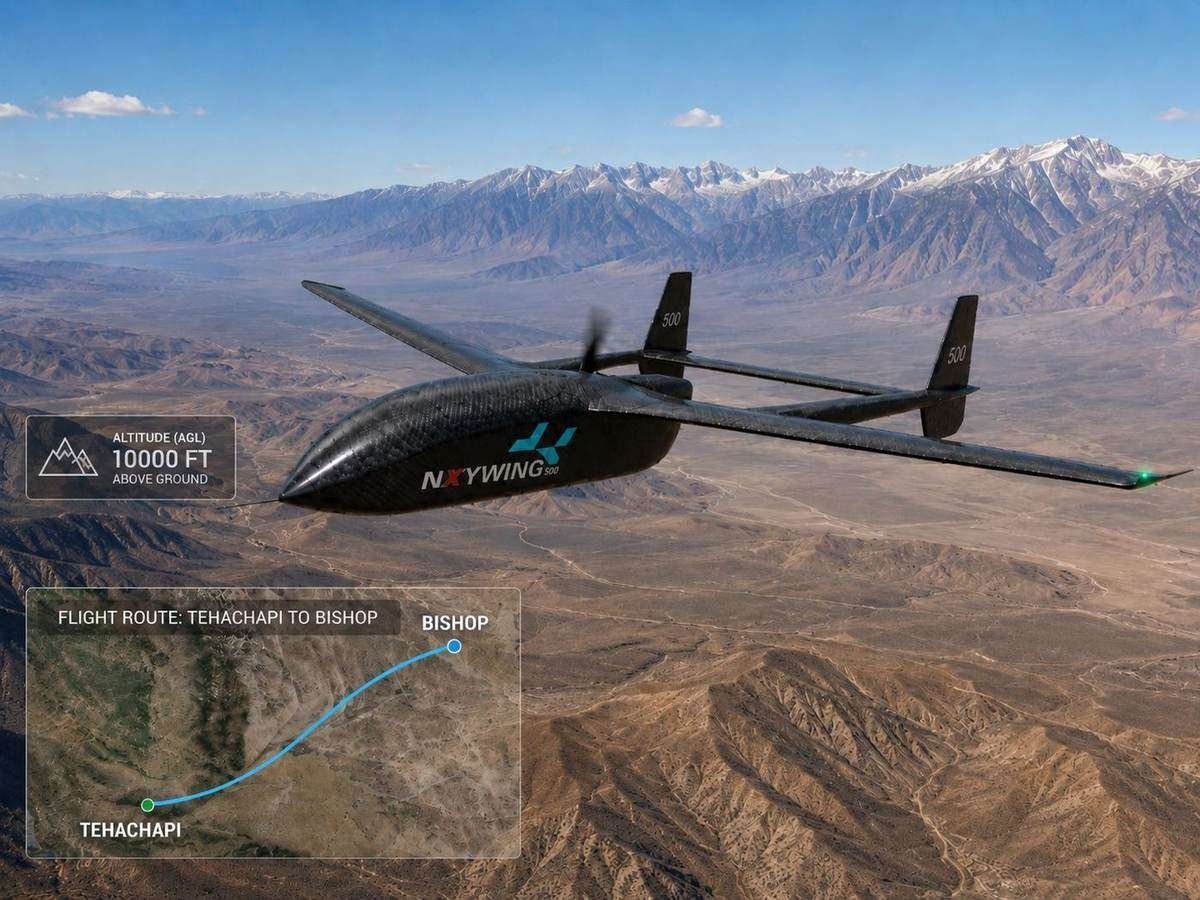
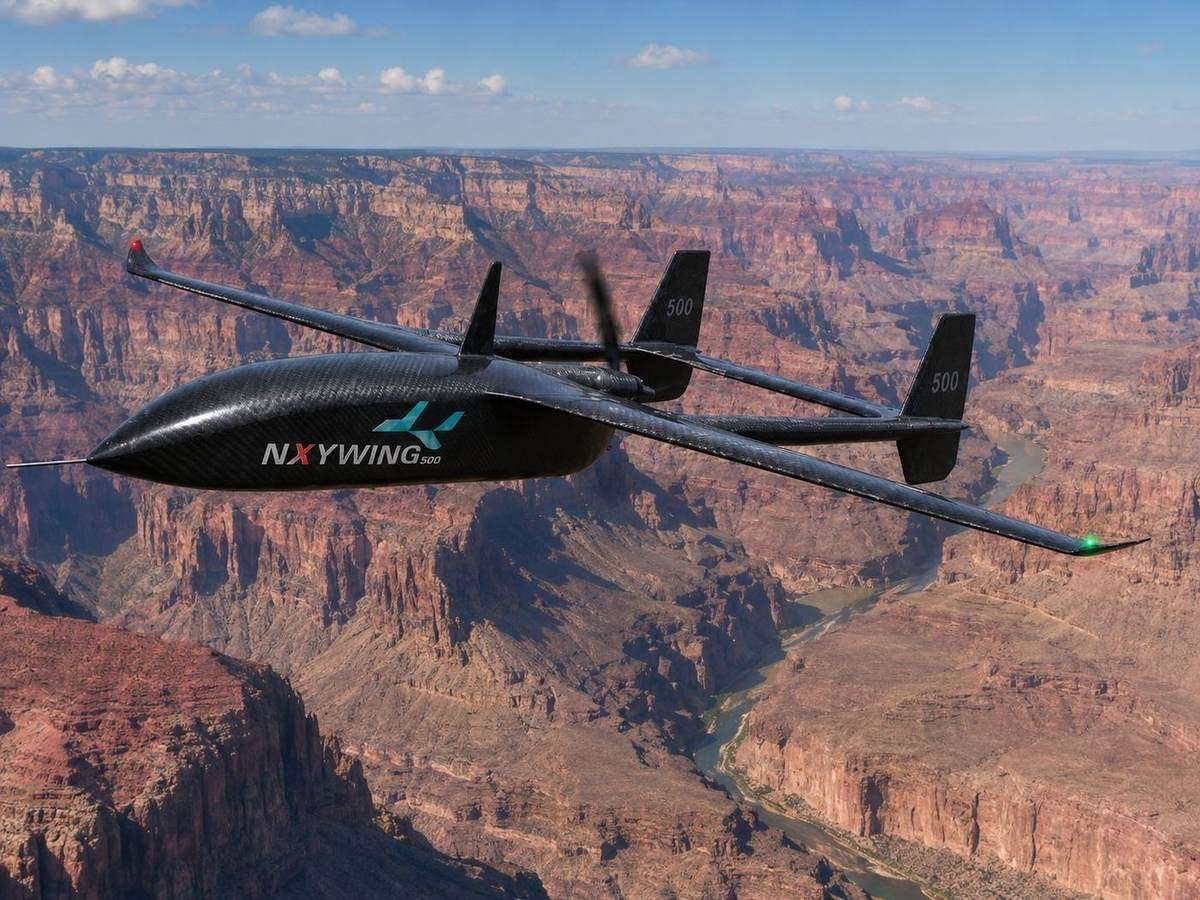
The N500 is the entry F-class platform — a compact composite fixed-wing built for short-range mapping, corridor inspection, and rapid-response operations. Designed for single-operator deployment from rough ground or compact runways, the N500 trades cargo capacity for portability and quick mission turnaround.
Standard payload bay accepts RGB photogrammetry, 5-band multispectral, or compact thermal — swapped in the field without tools. Typical agricultural survey: 900 hectares in a single 4.5-hour sortie.
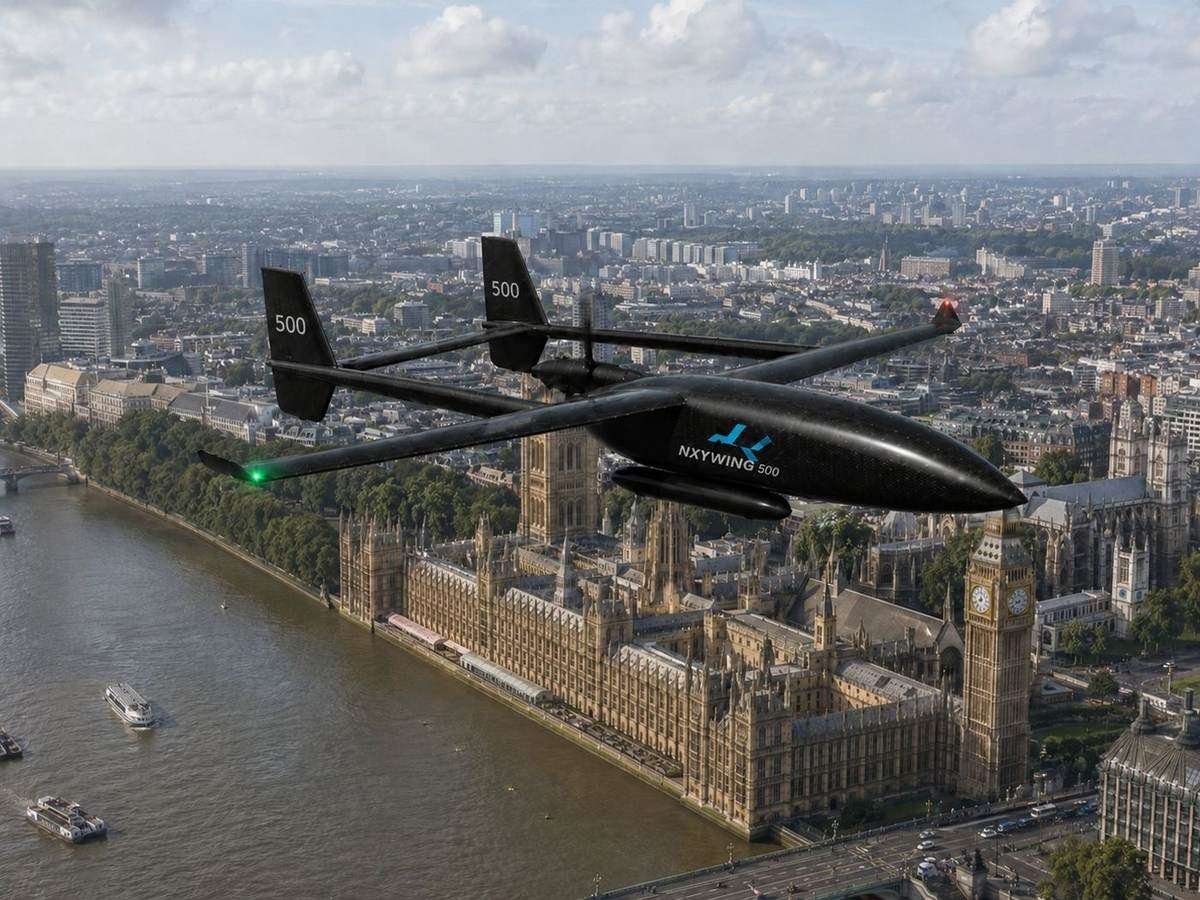
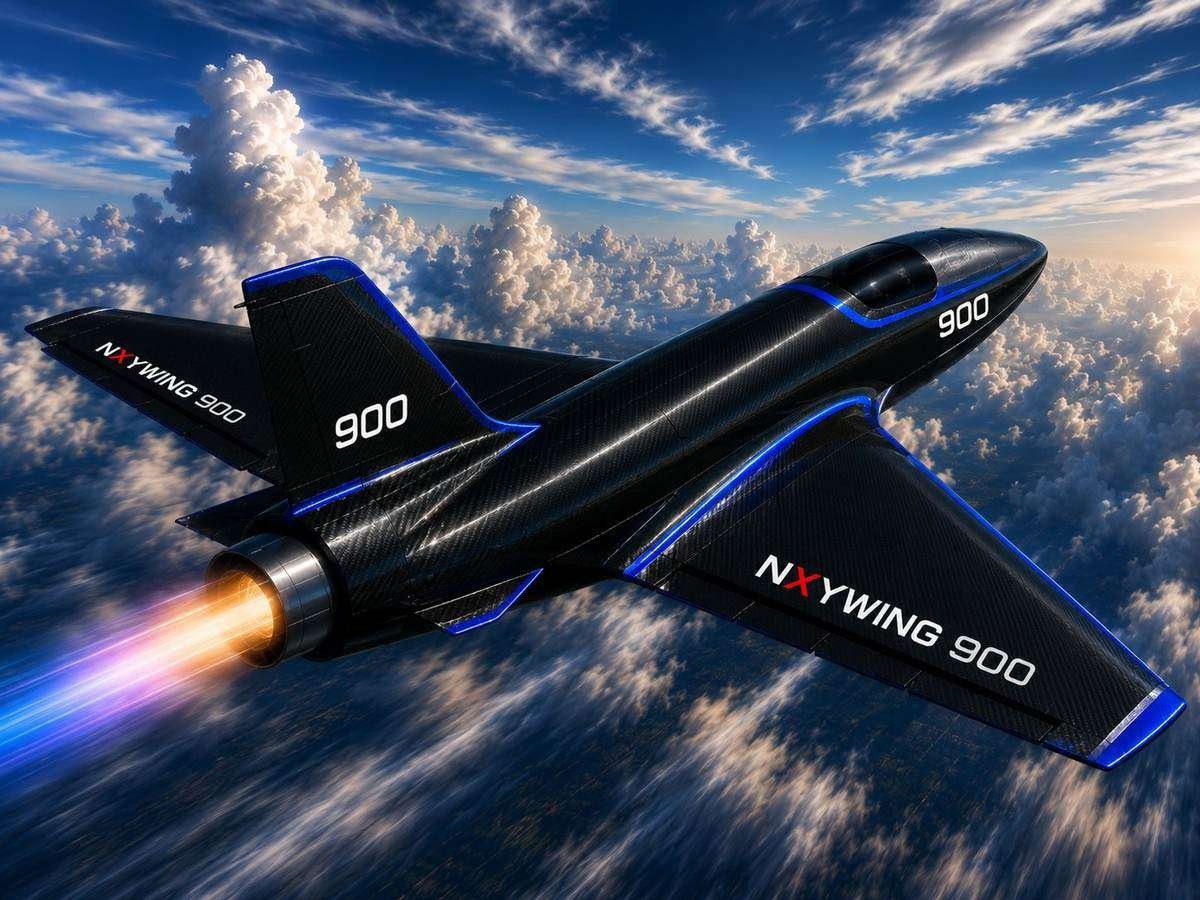
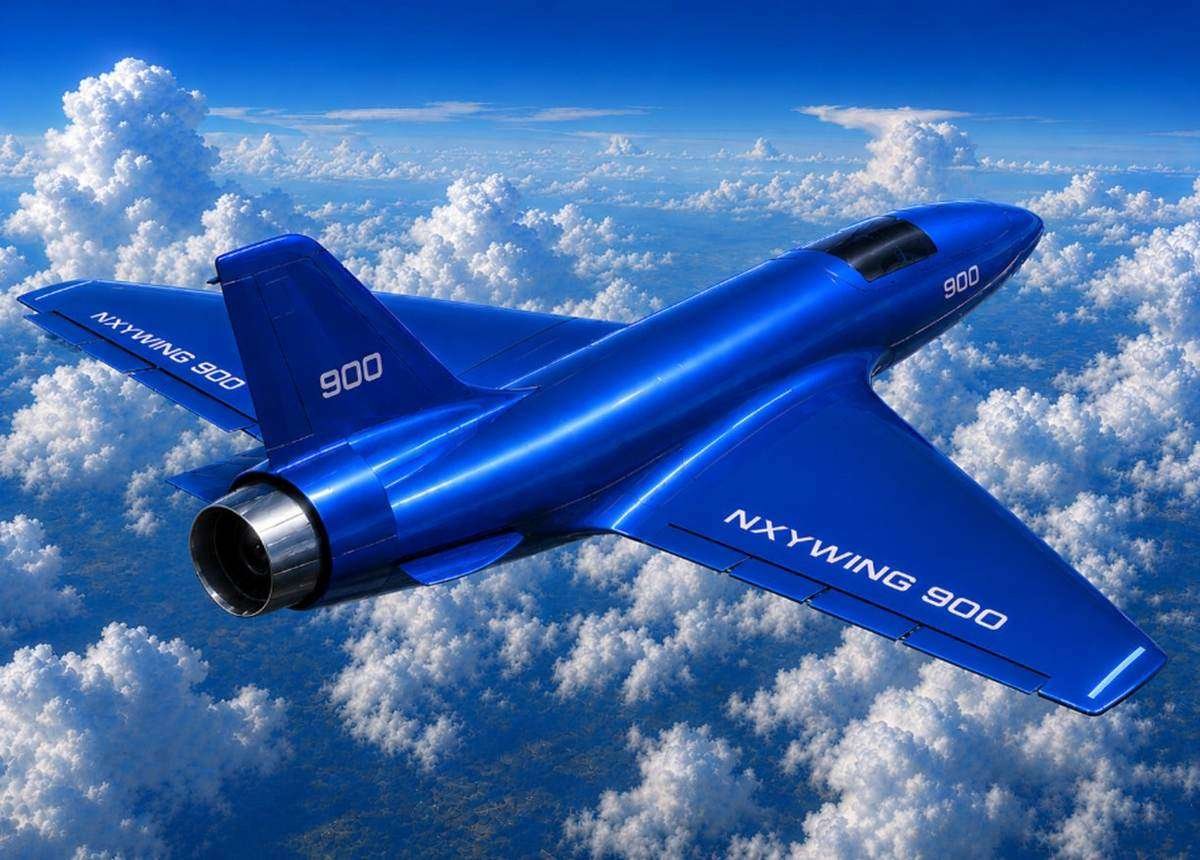
The N900 extends the F-series mission envelope to half-day operations. Built around a composite blended-wing body with twin-tail empennage, the N900 carries survey-grade LiDAR or hyperspectral payloads with the gimbal stability required for sub-centimeter ground accuracy.
Used extensively for power-line corridor mapping, coastal pipeline inspection, and forestry biomass surveys. The N900 has flown over 6,400 mission hours in commercial service since 2022.
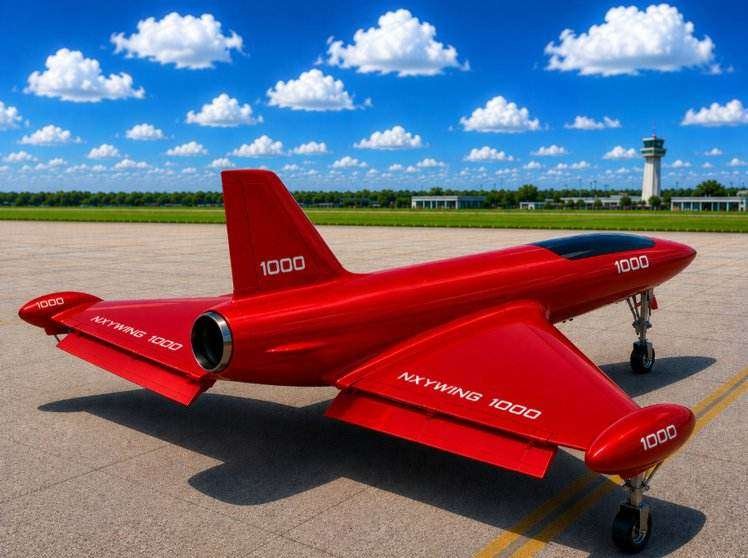
The N1000 is the workhorse of the F-series — a long-endurance composite fixed-wing engineered for BVLOS operations over 200+ km mission radii. Dual-redundant flight controllers, hot-redundant comms, and a parachute recovery system make it the platform of choice for over-water and beyond-line-of-sight missions.
The payload bay supports survey LiDAR, multispectral, thermal, and SIGINT packages. Auto-launch and auto-recovery via NXY-OS reduce crew requirements to a single mission commander.
The N2000 pushes F-series operations into full-day mission profiles. Optional hydrogen fuel cell propulsion extends endurance to 9 hours; the standard hybrid-electric variant runs 7 hours on internal tankage. Operates from runway or rough-ground launch.
Currently fielded in Arctic atmospheric research, coastal maritime surveillance, and long-baseline geophysical survey programs. Pressurized payload bay accepts atmospheric sampling kits and high-altitude imaging arrays.
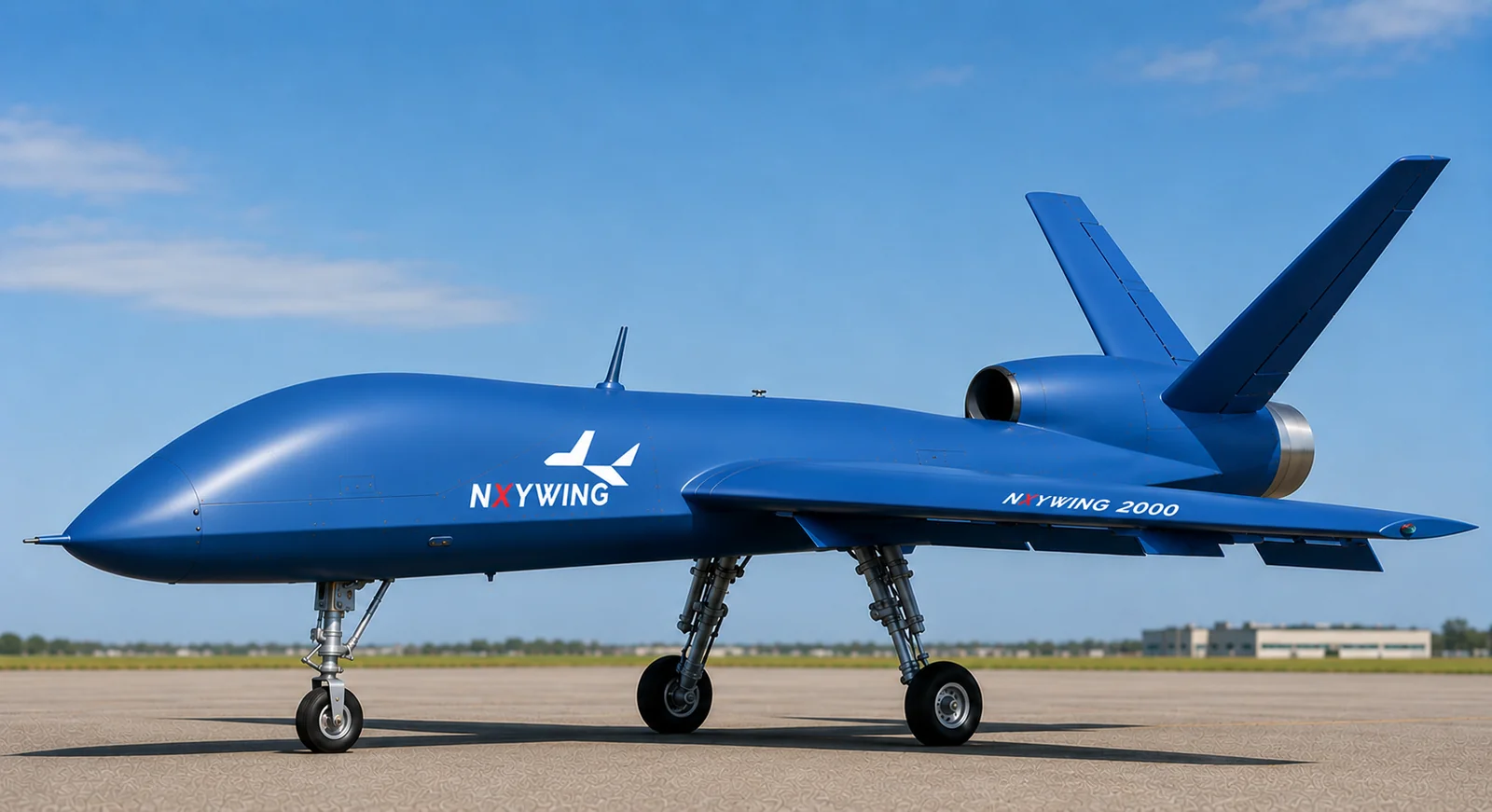
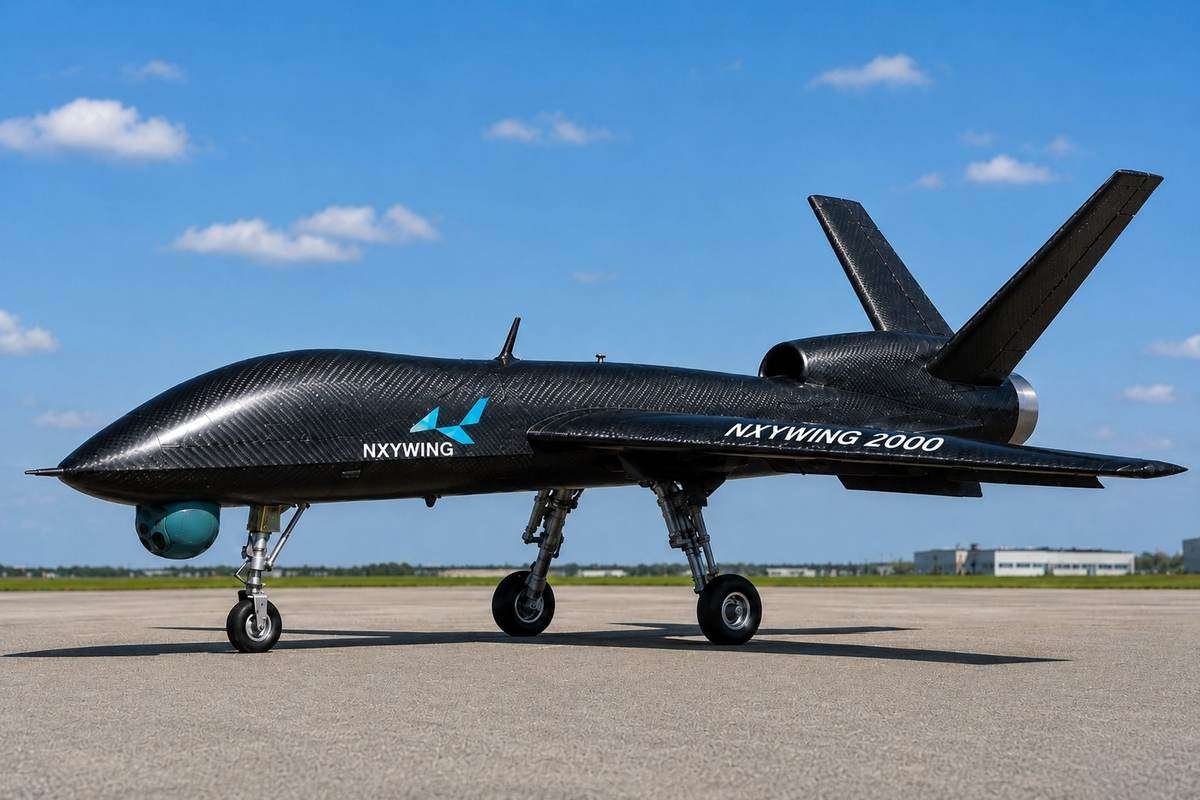
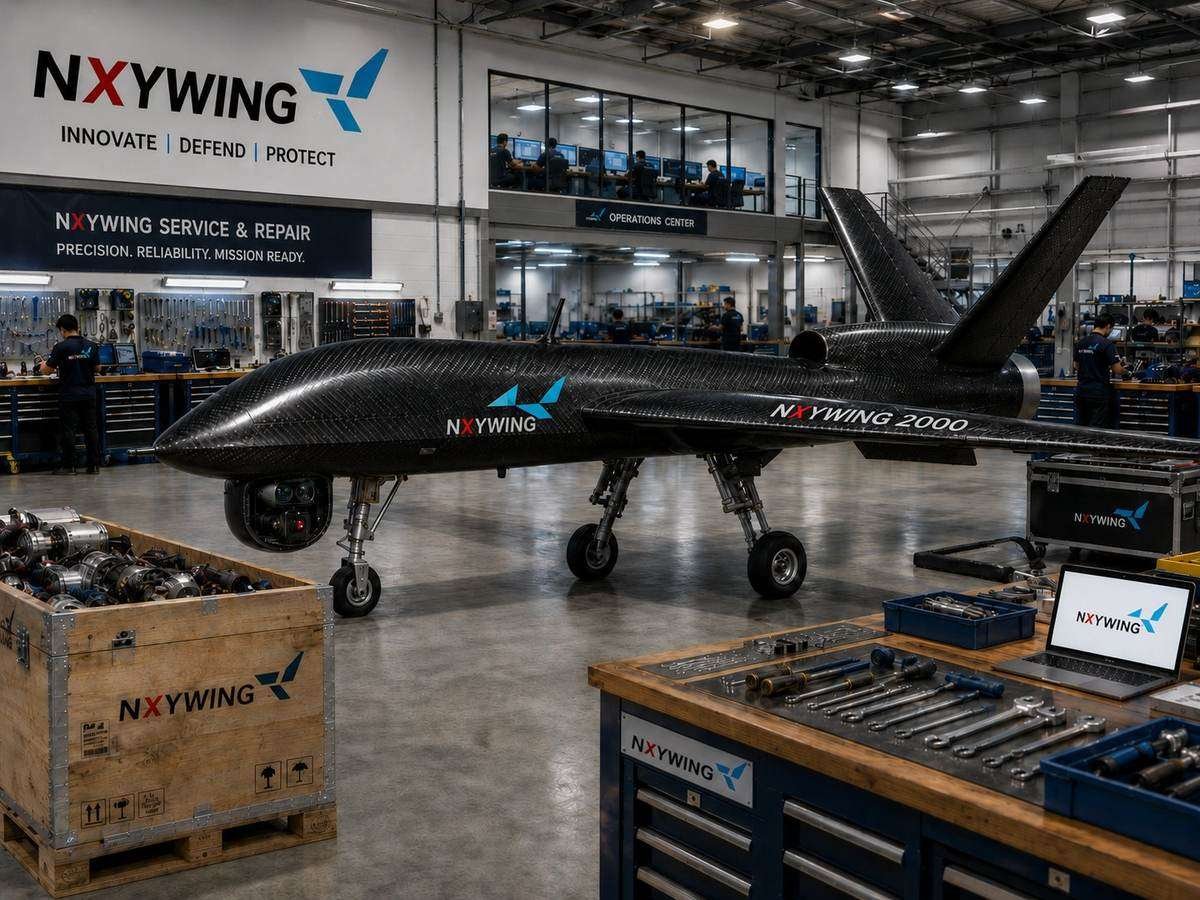
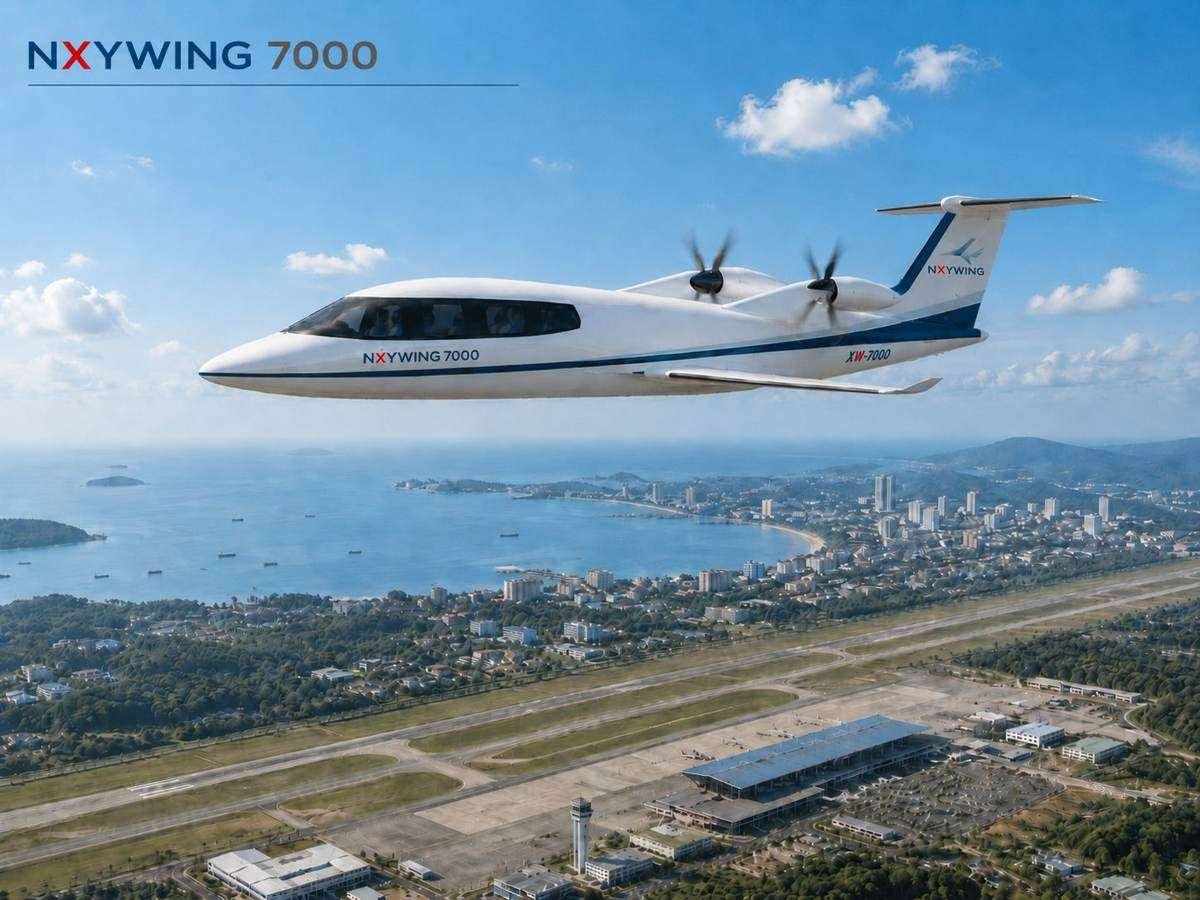
The N7000 is the flagship of the F-series — a heavy-lift unmanned logistics aircraft with turbine-hybrid propulsion targeting middle-mile cargo, medical resupply, and disaster response operations. Currently in initial development phase.
Hybrid-electric drivetrain delivers ~40% lower operating cost per ton-mile than crewed equivalents. Standard configuration accepts NXYWING cargo pallets, project refrigerated containers, live animal transport and medical emergency transport.
// The NXYWING 200 airframe with a dual-powerplant module. Battery for short, silent missions. Petrol for long-endurance work. Operator-selectable in flight.
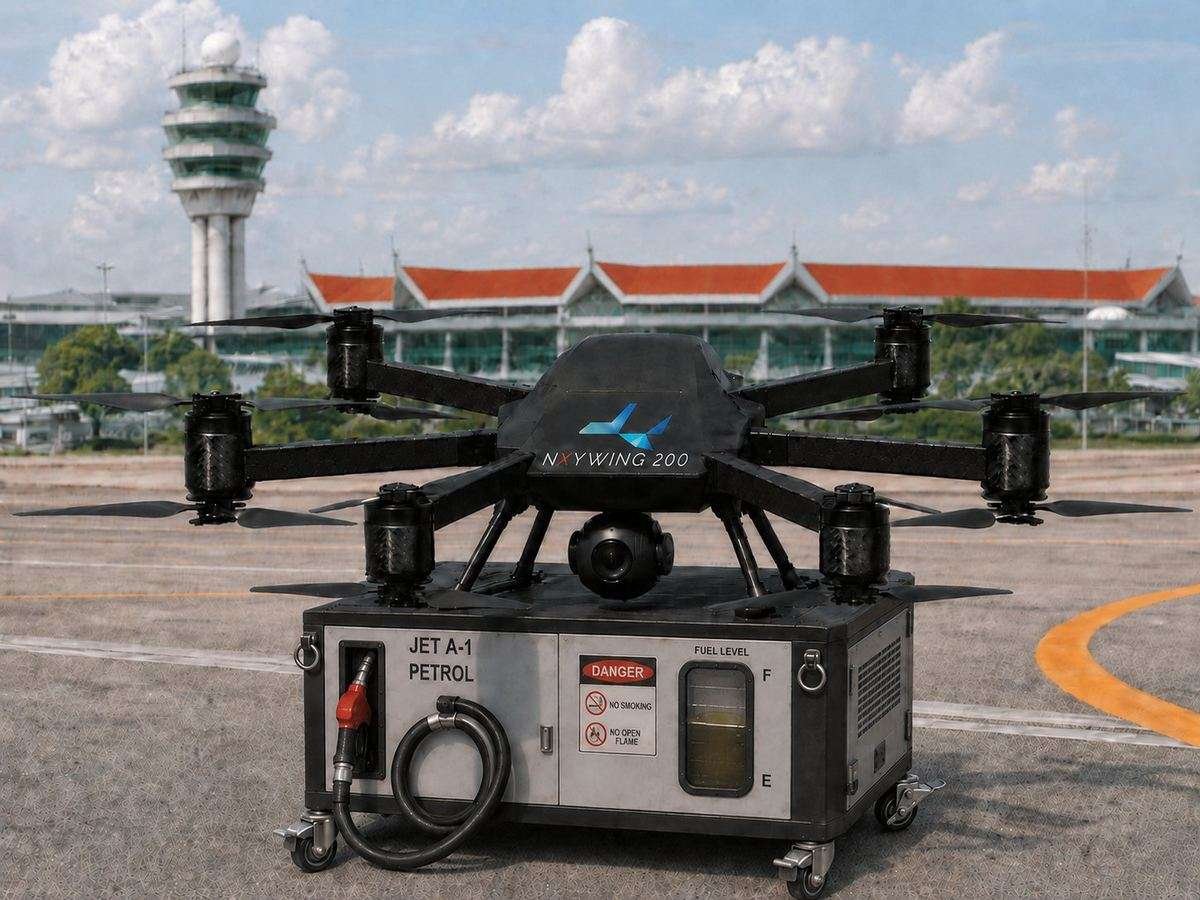
The NXYWING V3 is the hybrid-powerplant variant of the N200 — same hexagonal airframe, same six-rotor configuration, same gimbal mount. What changes is the drivetrain. The V3 carries both an electric motor (fed by the standard N200 battery pack) and a compact petrol engine, both feeding a central gearbox that distributes torque through individual differentials to each of the six propeller arms.
Operators select the active powerplant in flight. Battery mode gives you the N200's quiet signature and 50–85 minute endurance — ideal for inspection, urban operations, and missions where acoustic profile matters. Petrol mode extends endurance to 4.5 hours and range to roughly 280 km — opening up long-corridor inspection, BVLOS persistence, and rural ISR without the logistics tail of a fixed-wing aircraft.
The mechanical handoff between sources is managed by a single-speed reduction gearbox with a one-way clutch on each input — there is no in-flight gear change. The differential at each propeller arm allows the rotors to respond to flight-controller commands at sub-2ms latency, identical to the battery-only N200.
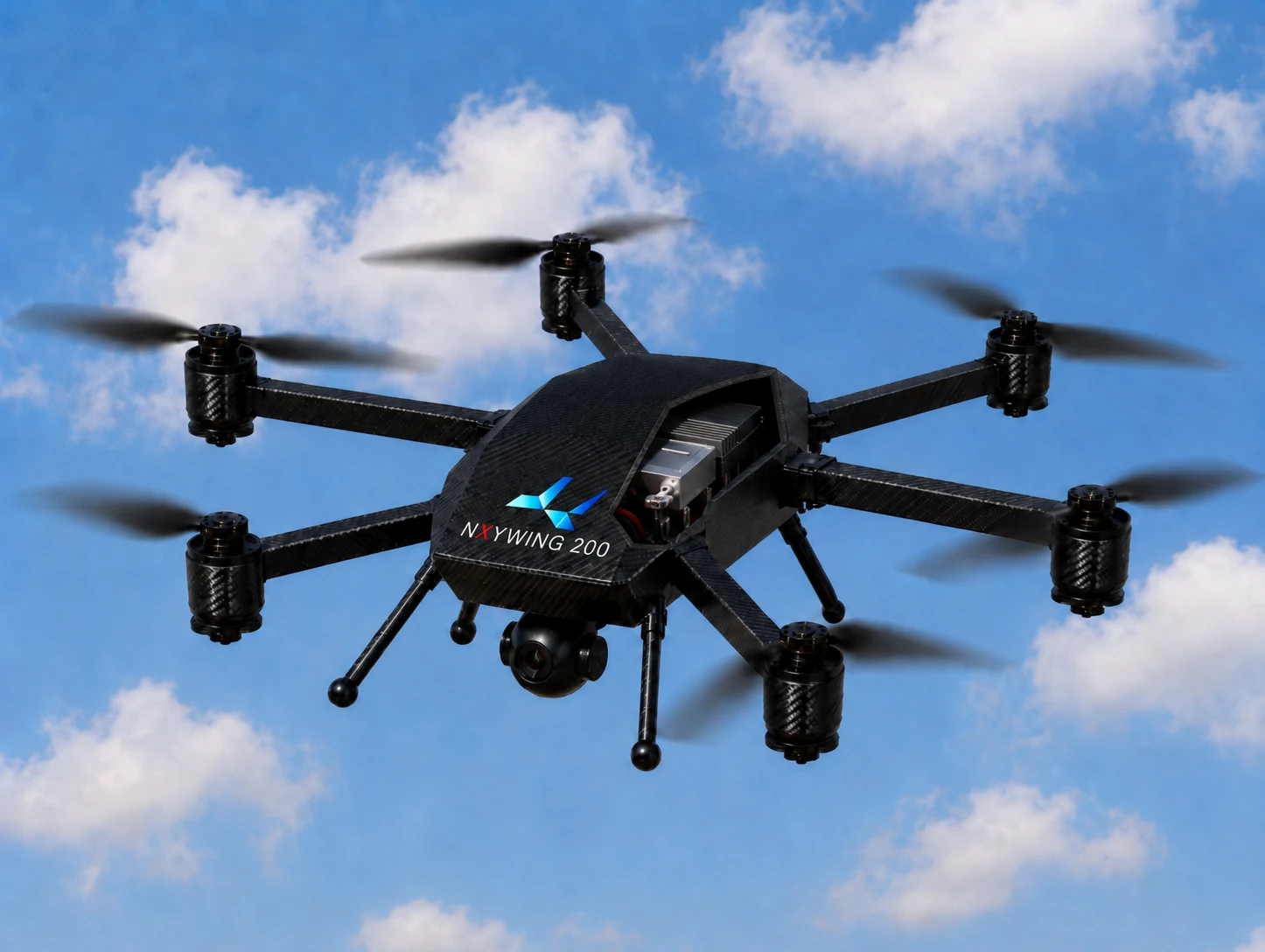
NXYWING 200 · IN-FLIGHT HEXAROTOR PLATFORM
// NXY-OS — the flight controller, mission planner, and perception layer that ships in every airframe we build.
NXY-OS is our in-house mission autonomy stack — built on a real-time microkernel with deterministic scheduling, ROS2-compatible message passing, and onboard ML inference for obstacle avoidance and target recognition. We don't license PX4 or ArduPilot; we wrote our own because mission-critical autonomy requires owning the code from interrupt-handler up.
Authenticate to open the selected Section 04 defense tab.
// The radios, antennas, and ground stations that keep our aircraft connected — even when terrain and weather conspire against you.
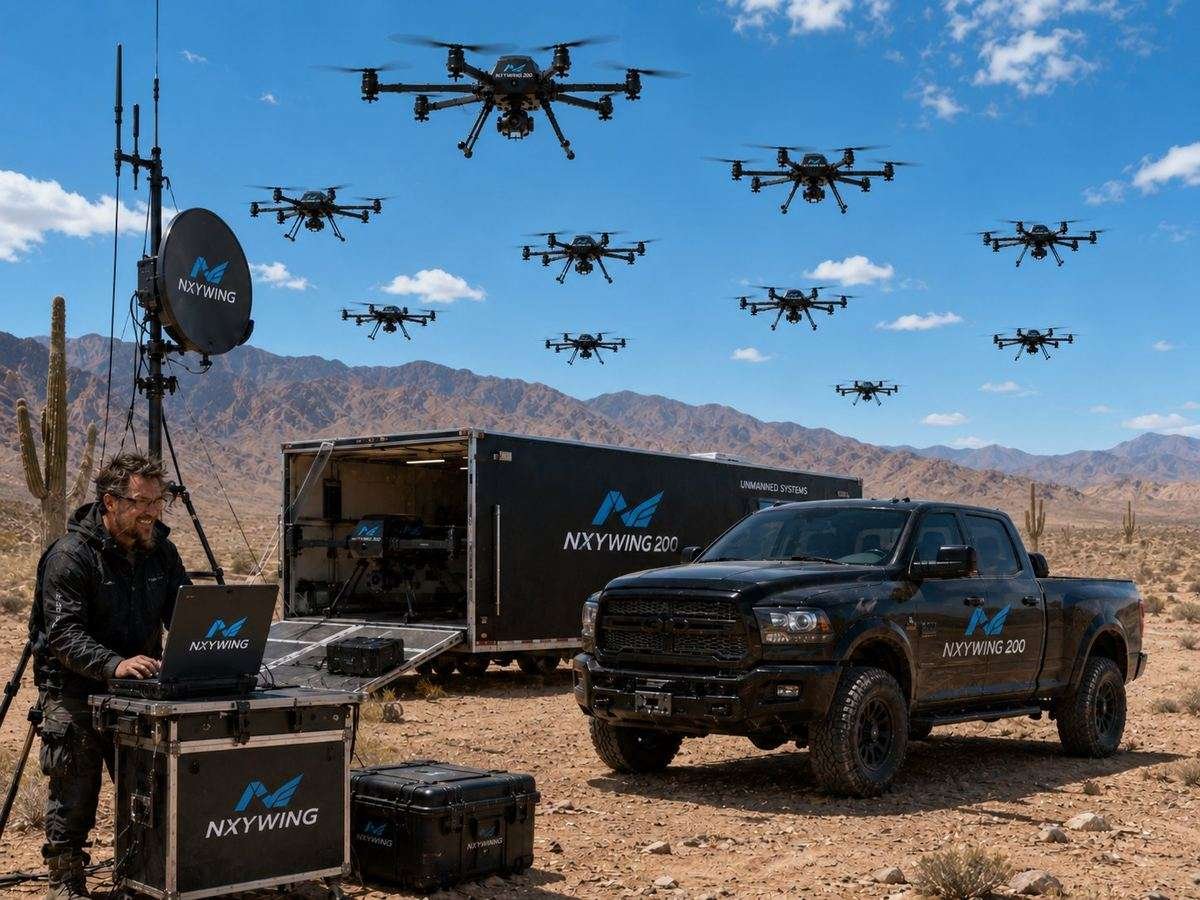
NXY-Link is our proprietary mesh radio system. Each aircraft acts as a relay node, so a multi-aircraft fleet extends C2 range with no fixed infrastructure.
Ground stations come in many form factors: a rugged tablet for single-pilot operations, a Pelican-cased dual-station for crew operations through to a containerized GCS for fleet management at scale. Refer to operations procedures for further details.
// Photogrammetry, LiDAR, multispectral, thermal. The sensors that turn our airframes into data-collection platforms.
An airframe without a payload is just a hobby. We integrate LiDAR, RGB photogrammetry, multispectral, thermal, and hyperspectral sensors on every platform class, with gimbal-stabilized mounts and post-flight processing pipelines that output GIS-ready GeoTIFF, LAS, and OrthoMosaic deliverables.
Our survey workflow runs from flight planning through cloud processing — typical turnaround from landing to deliverable is under 4 hours for a 200-hectare site.
Authenticate to open the selected Section 06 payload box.
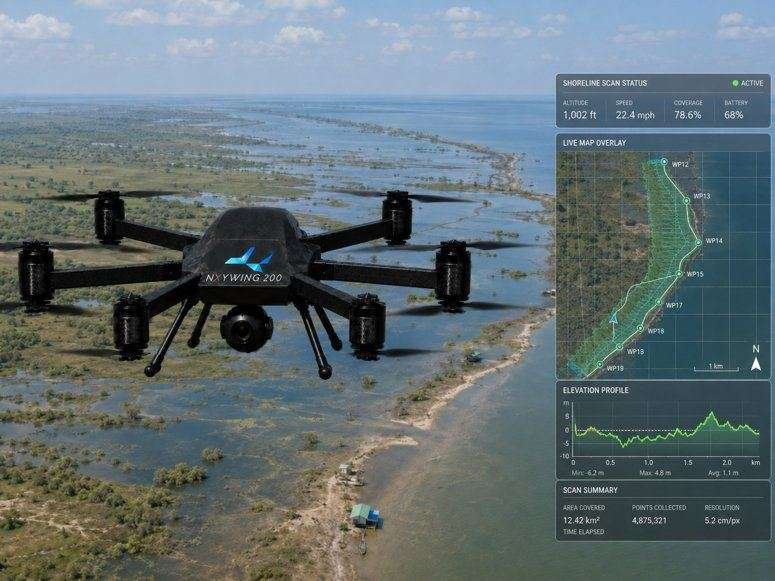
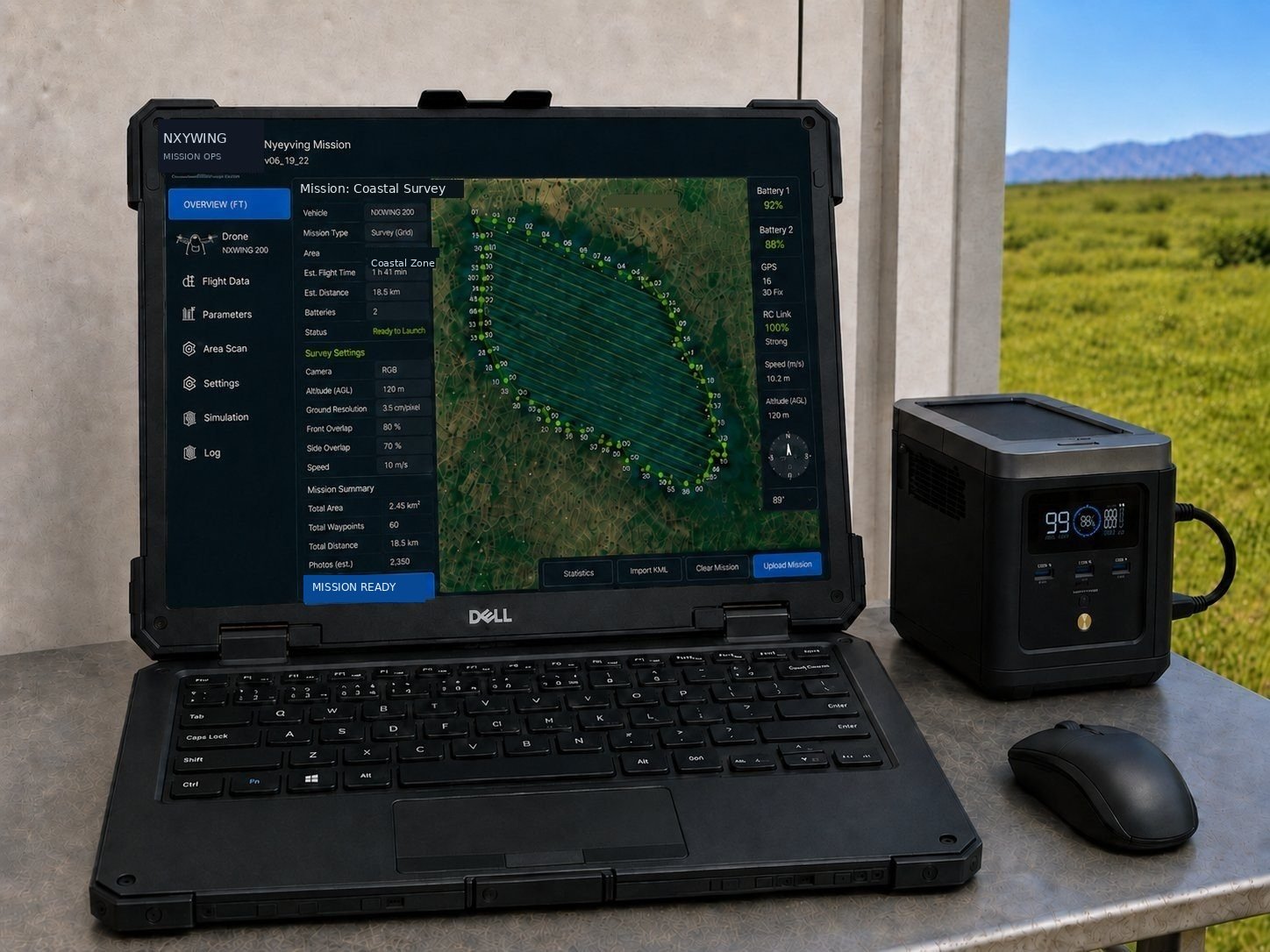
// Ground control stations, launch & recovery hardware, charging infrastructure, and field support kits — everything between operator and aircraft.
An airframe is only half the system. Our ground support portfolio covers single-pilot tablet kits, dual-station Pelican-cased crew operations, and 20-foot containerized fleet operations centers — all running the same NXY-GCS software and the same NXY-Link telemetry protocol.
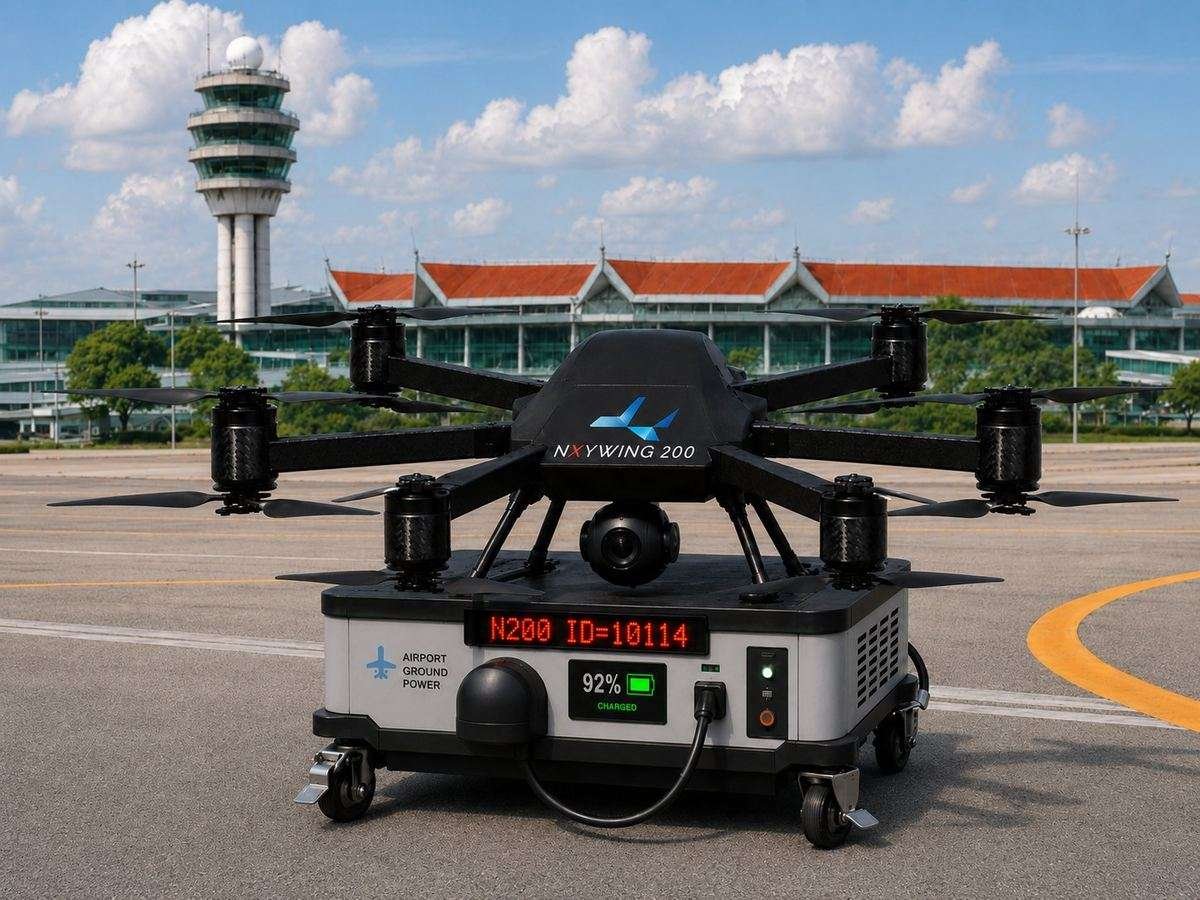
Power infrastructure includes 240 V fast-charge stations, four-bay parallel chargers for hot-swap battery operations, and field-deployable solar arrays for off-grid missions lasting up to 14 days.
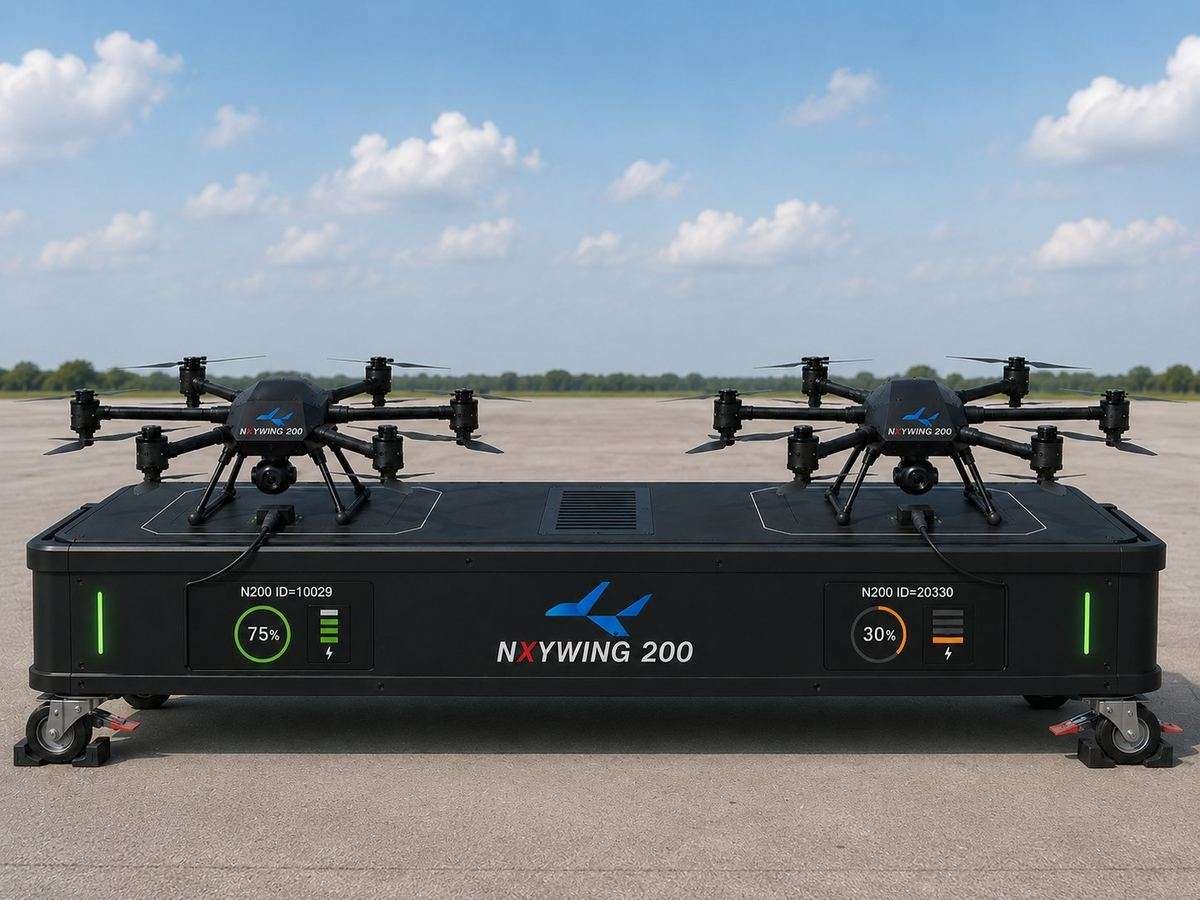
// Active and completed deployments across commercial, research, and industrial operations. P.07 and P.08 entries are credentialed.
Selected operations from the past 36 months — a representative slice of what NXY airframes fly. Full mission logs and detailed case studies are available to qualifying partners under NDA.
// Pilot training, Part 107 prep, BVLOS waiver support, and platform-specific type certifications.
Buying the aircraft is the easy part. We run a 4-day platform certification program at our facility or a location of your choice covering preflight, mission planning, emergency procedures, and post-flight data workflow. Graduates leave with an NXY type rating and the practical skills to operate commercially from day one.
Custom on-site training is available for fleet customers — we'll deploy a certified instructor to your operating base for up to 12 students per cohort.
Authenticate to open the selected Section 09 training box.
// Get in touch. Whether you need a platform, a mission, or a custom build — we'll respond within 24 hours.
Headquartered in Scottsdale with field operations across North America and Europe. For commercial inquiries, fleet procurement, or partnership discussions, reach the team directly.
RETURN TO HUB